
After the Chair: Second-Life and Recycling Paths for Wheelchair Batteries

A wheelchair battery's end of first life is not its end of useful life. LiFePO4 chemistry, with its long cycle life and thermal stability, is unusually suited to cascade reuse — and regulation is now forcing organized end-of-life channels. Here is the landscape buyers and fleet operators should know.
What "end of life" means for a lithium pack
First life ends at 70-80% of original capacity — for wheelchair LiFePO4, typically 800-1,200 cycles or 4-6 years. The pack is far from dead: it still stores 70-80% of rated energy. Its failure is gradual (range shortens) rather than sudden, which is exactly what second-life applications need.
Second life: where the capacity goes
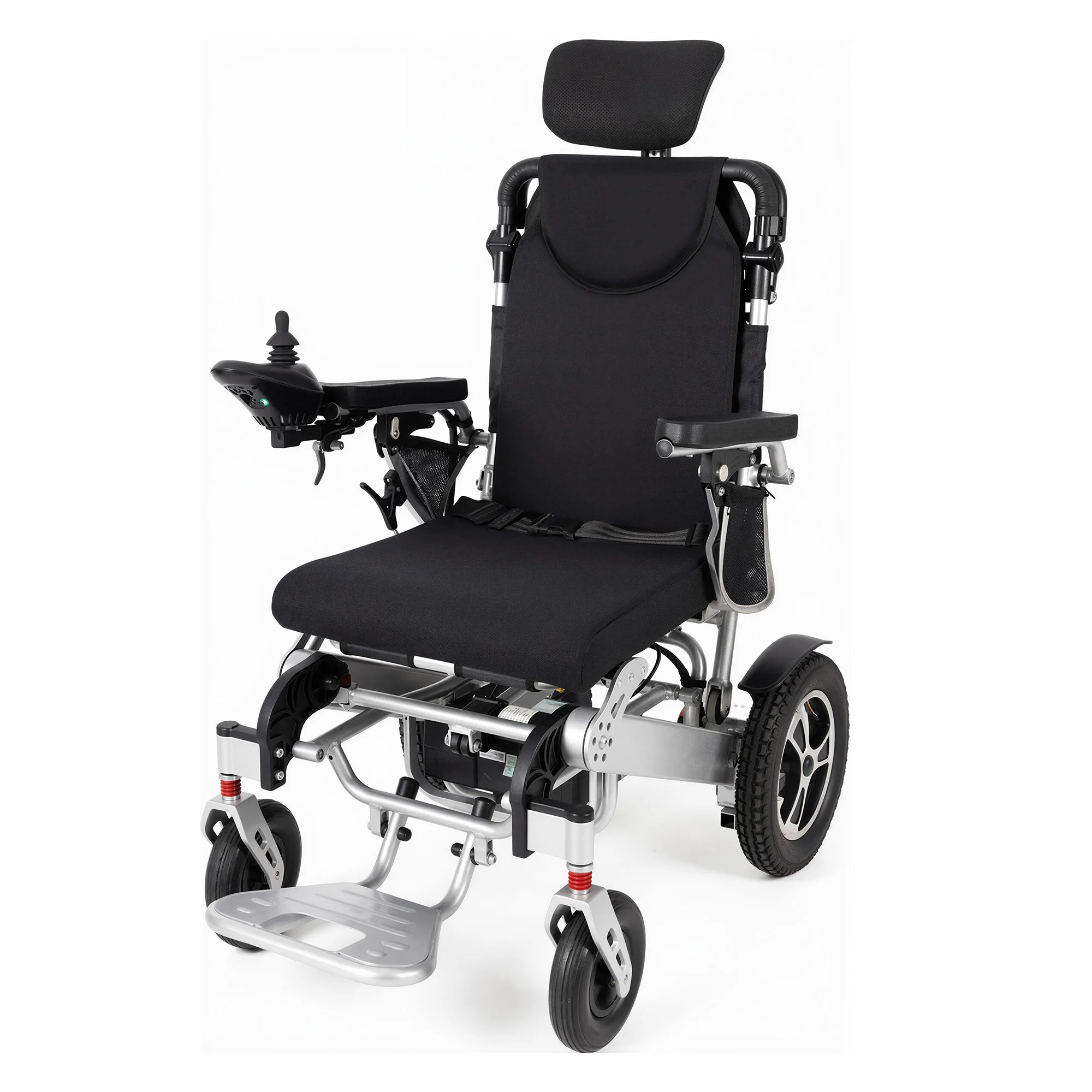
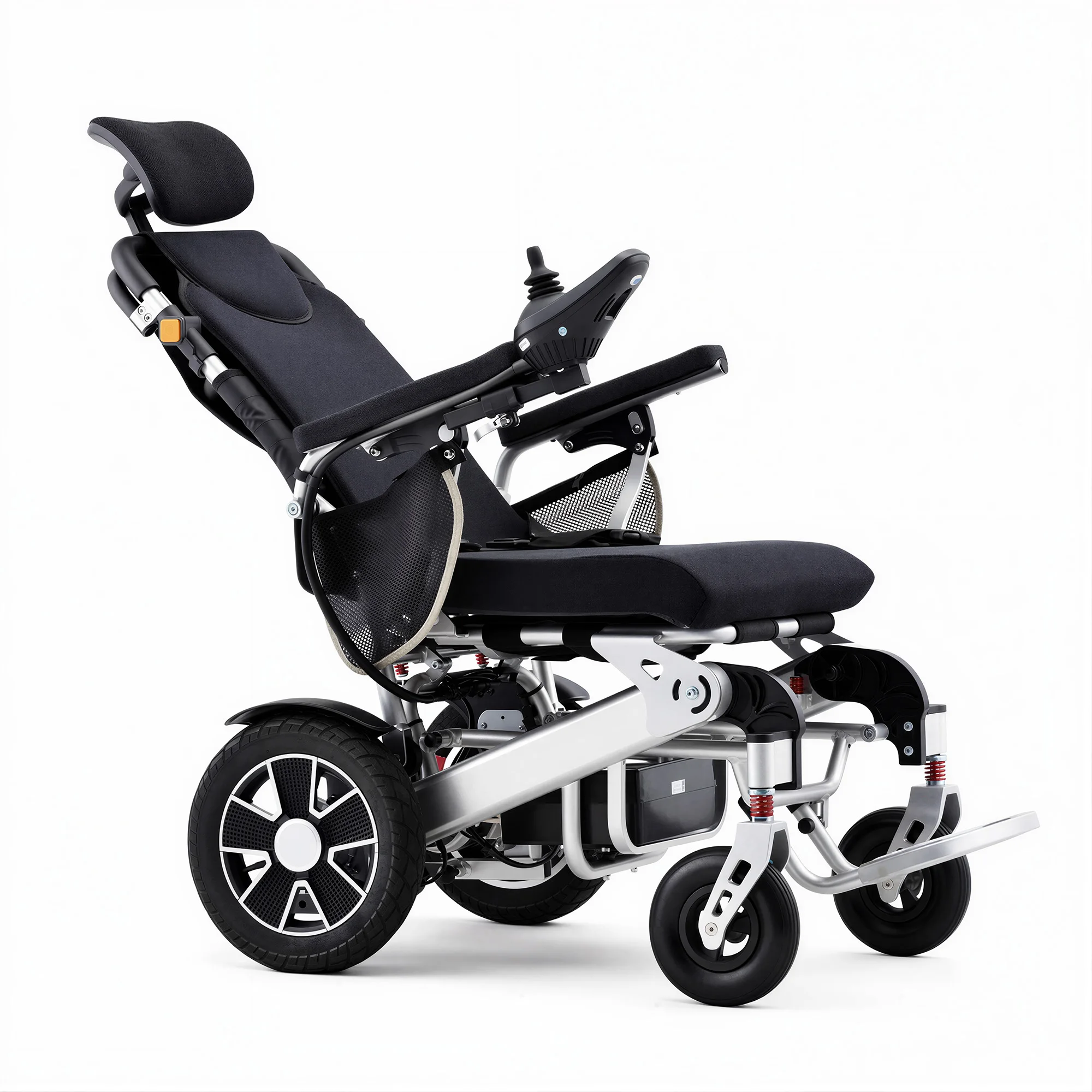
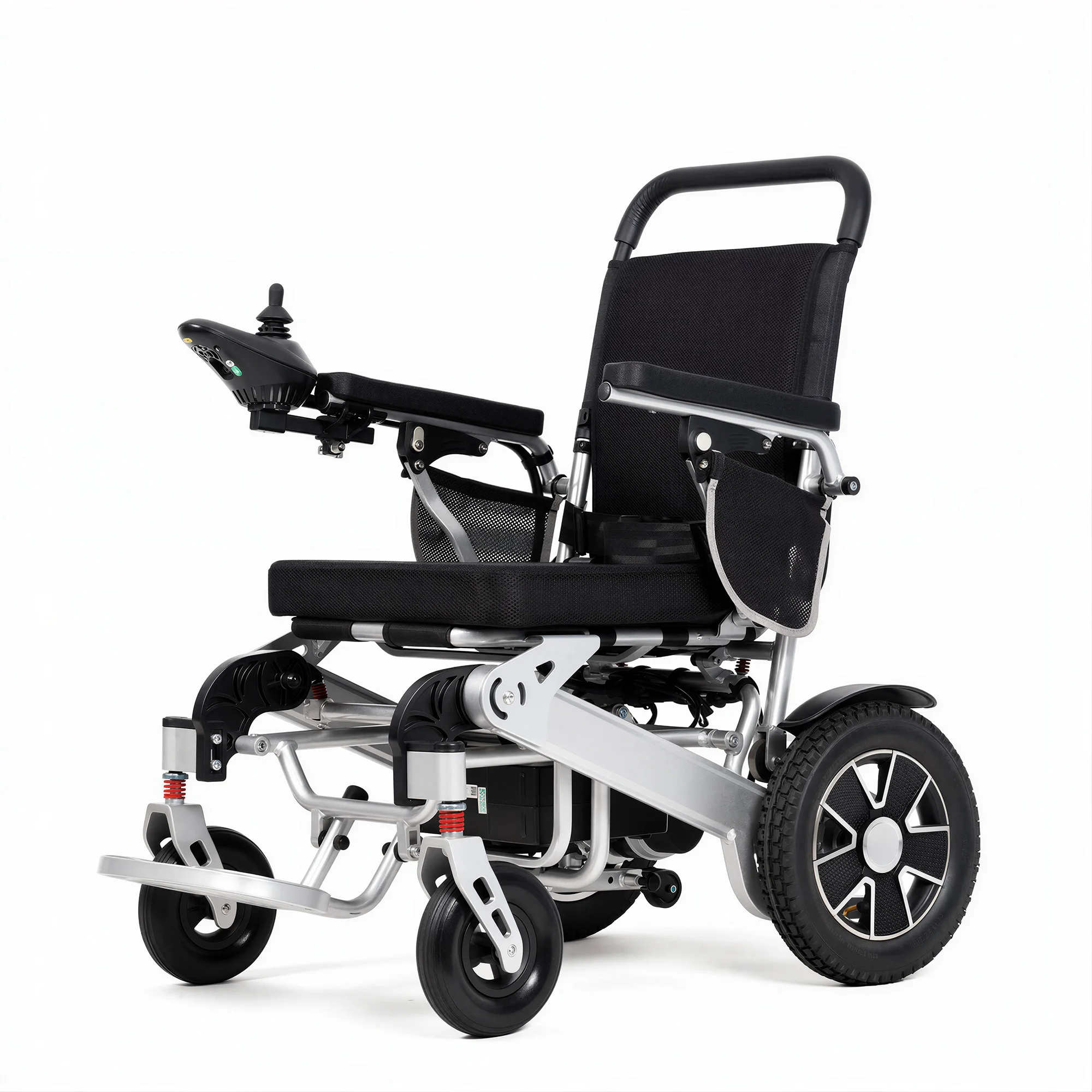
- Low-power mobility: a 70%-health pack still serves light-duty chairs, scooters used weekly, or as emergency backup chairs in facilities — another 1-3 years.
- Stationary storage: the classic cascade — retired packs tested, requalified (cell balancing, BMS reflash for stationary profiles), and grouped into home solar storage or UPS banks. The testing and re-packaging step is the economics: pack-level testing costs $15-40 per kWh, viable where grid storage incentives exist.
- Back to the user: some owners simply keep the retired pack as a charged emergency light/phone bank in regions with unreliable grids — informal cascade, but real.
Repurposing has requirements, not just benefits
A second-life pack needs: capacity grading (cells within a pack age unevenly), a BMS reflashed for the new duty (stationary profiles allow deeper cycling than mobility), safety re-certification for the new application in regulated markets, and traceability. The EU Battery Regulation (2023/1542) phases in from 2026: recycled-content minimums, carbon footprint declarations, battery passports for industrial and EV batteries, and collection obligations that touch mobility equipment. What it means practically for wheelchair suppliers and fleets: document your batteries' chemistry and serials now, because the resale and disposal channels will increasingly ask.
Recycling: the recovery numbers
Hydrometallurgical recycling of LiFePO4 recovers lithium, copper, aluminum and iron phosphate — current processes recover 80-95% of copper and aluminum, with lithium recovery rates climbing from 50% toward 90% as process economics improve. The economics differ from NMC chemistries: LiFePO4's lower intrinsic material value means recycling is currently cost-driven by regulation rather than profit, which is why organized take-back channels (rather than scattered scrap dealers) are the correct answer. Our production-side practice: battery serials are registered at shipment, and distributor returns are consolidated into certified recyclers — the channel exists; the industry's task is making it the default.
What fleet operators should do now
- Maintain a battery census with chemistry, capacity, install date and retirement date — the battery-passport era reward for good records is cheaper compliance.
- Retire at 70-80% capacity by test, not by complaint — packs retired on schedule retain cascade value; run-to-dead packs often fail requalification and go straight to recycling.
- Contract the end-of-life channel at purchase: ask suppliers for their take-back or certified-recycler arrangement. It is increasingly a tender line item in EU institutional procurement.
- Never store retired packs flat and forgotten: a 30%-charge, quarterly-checked shelf preserves cascade value and safety.
The honest long view
Wheelchair batteries are small streams in the global battery flow, but they share its direction: documented, cascaded, recycled. The buyers who treat end-of-life as a purchasing criterion today are not being idealistic — they are pre-buying the compliance position every market will require by 2030.