
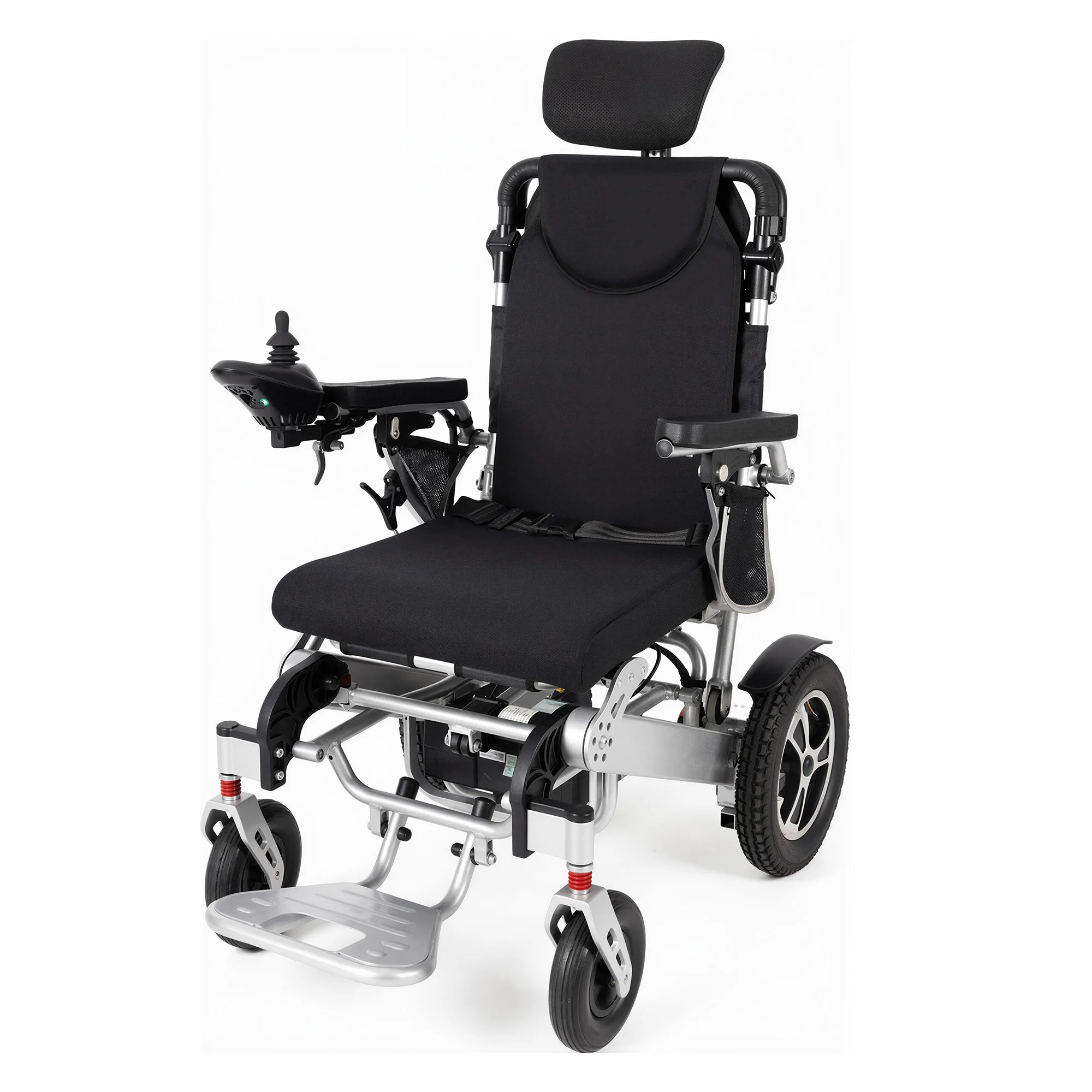
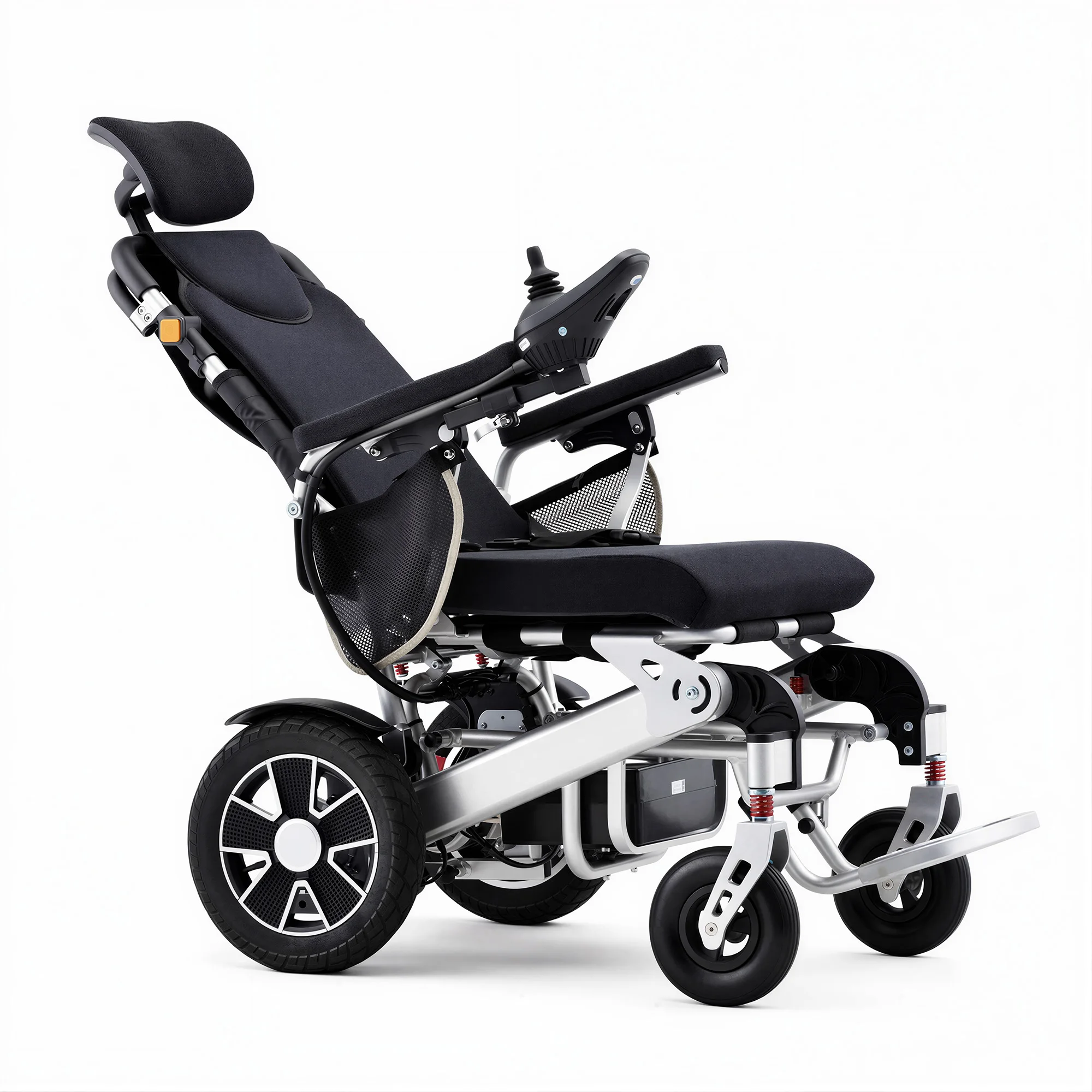
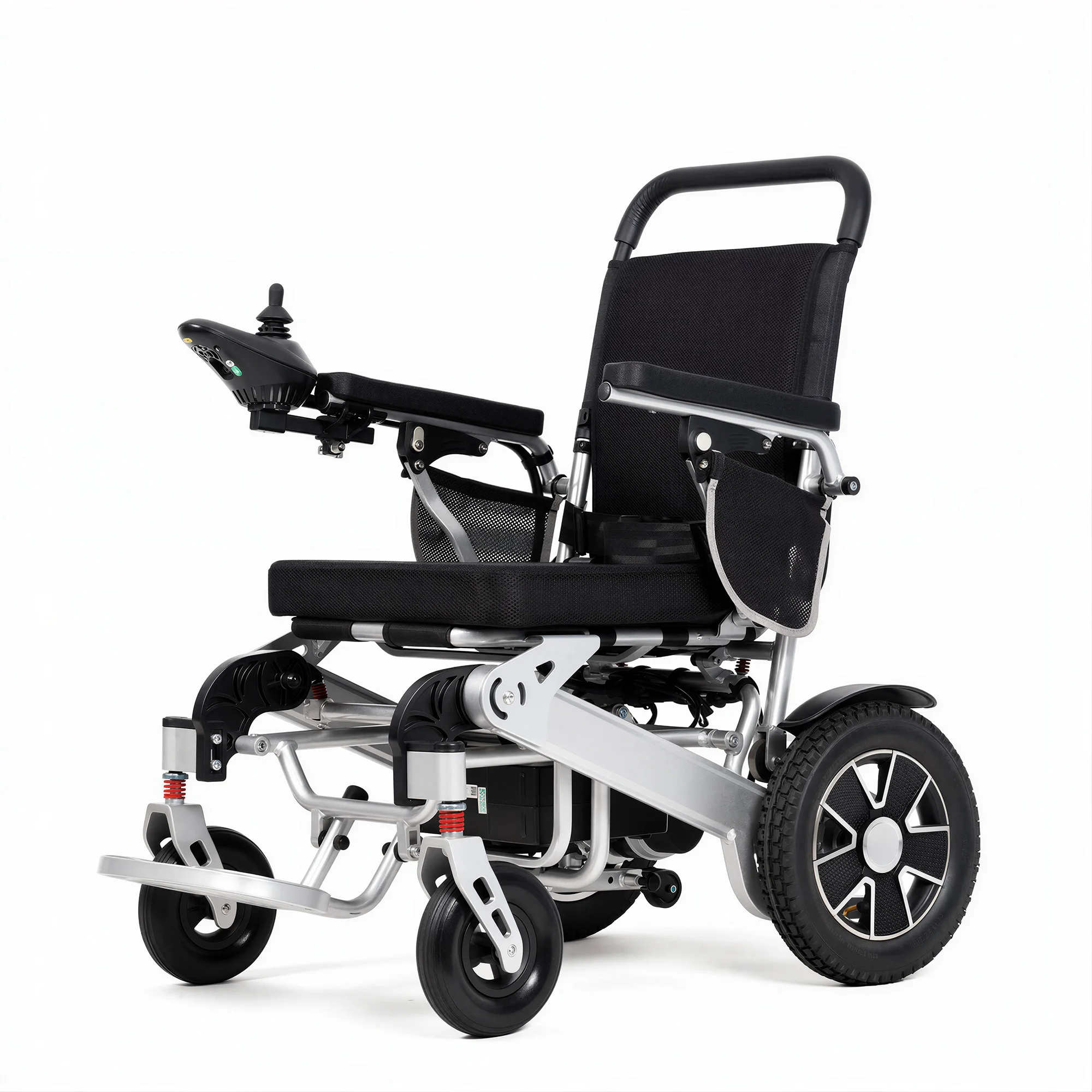
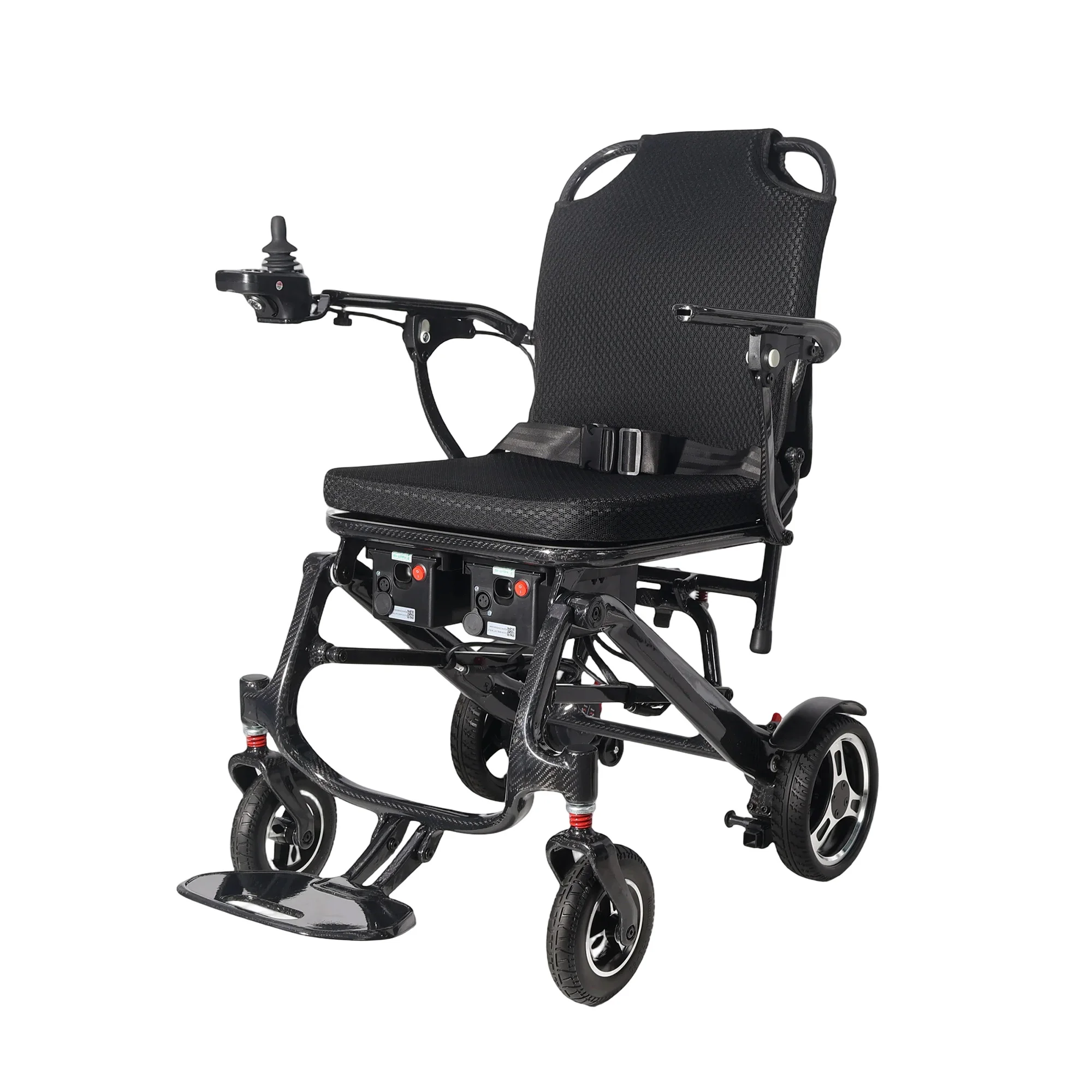
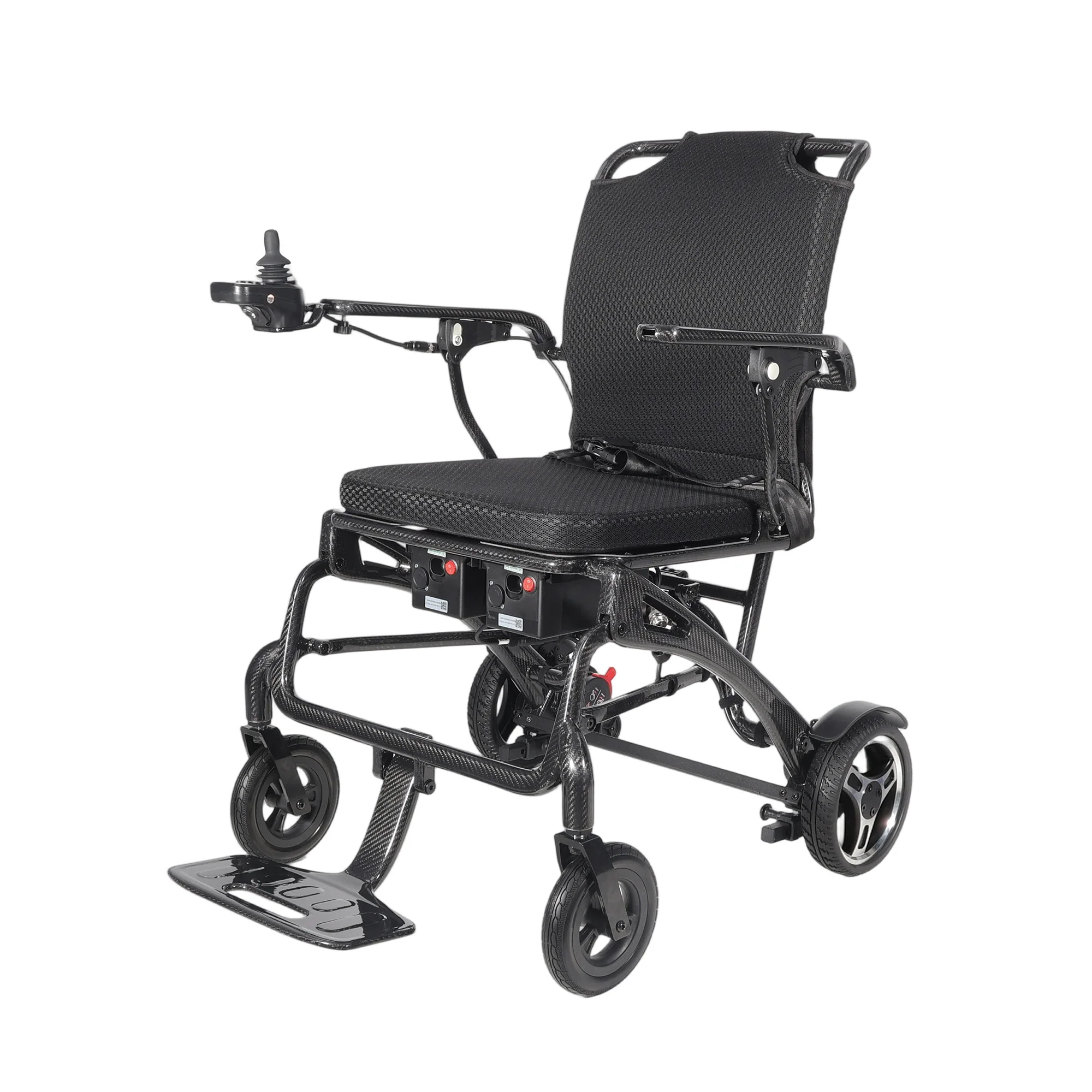
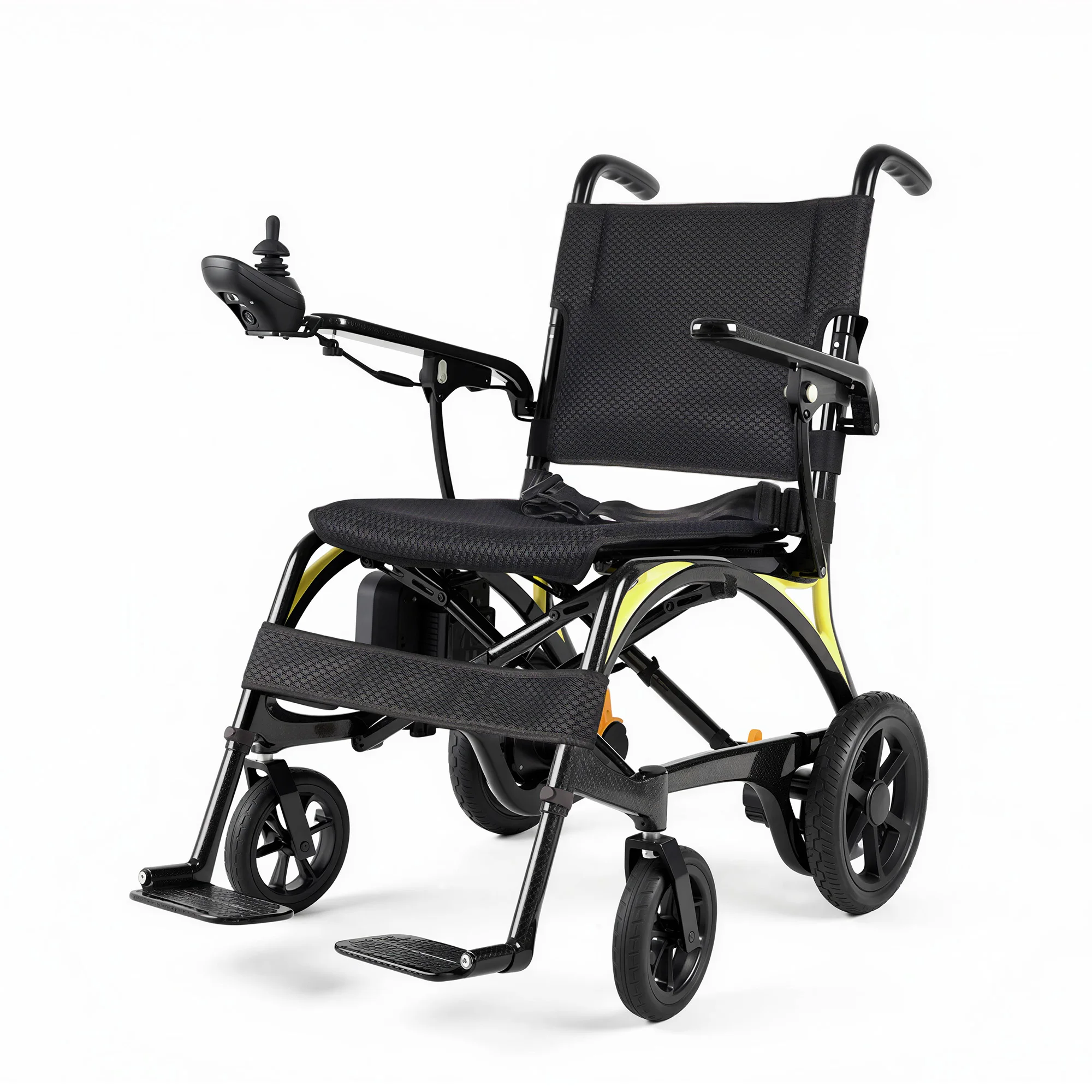
Fleet Maintenance for Care Facilities: The Schedule That Halves Breakdowns

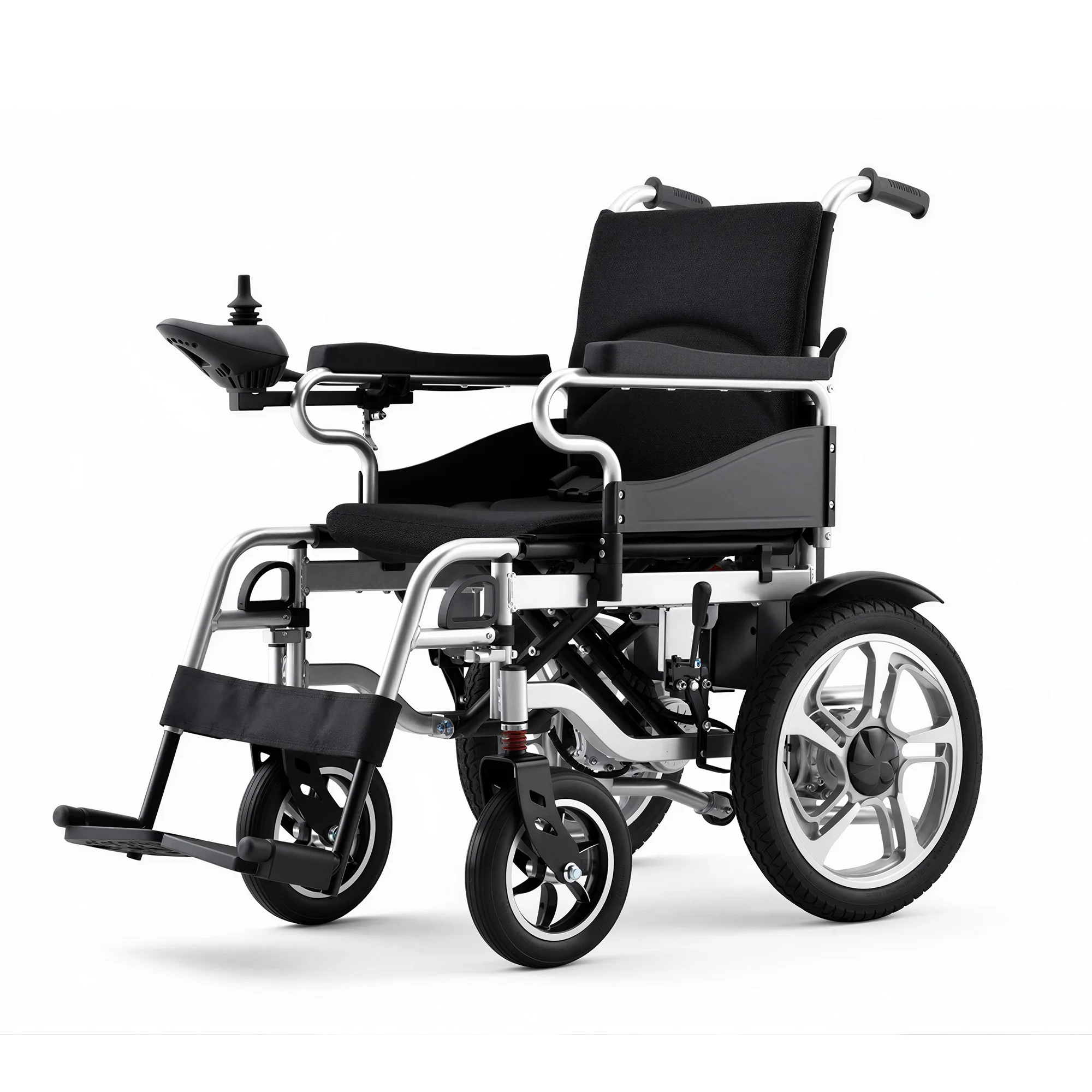
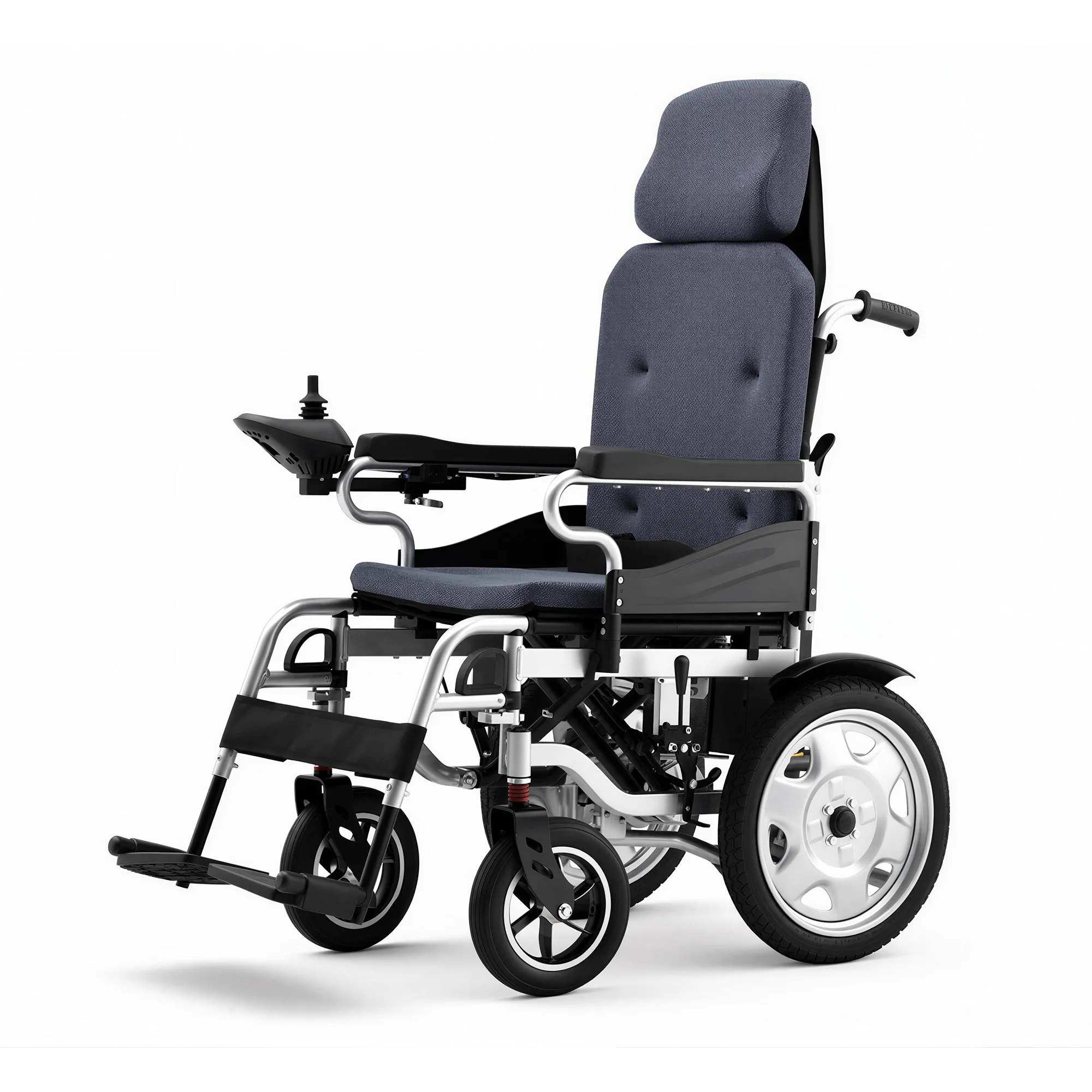
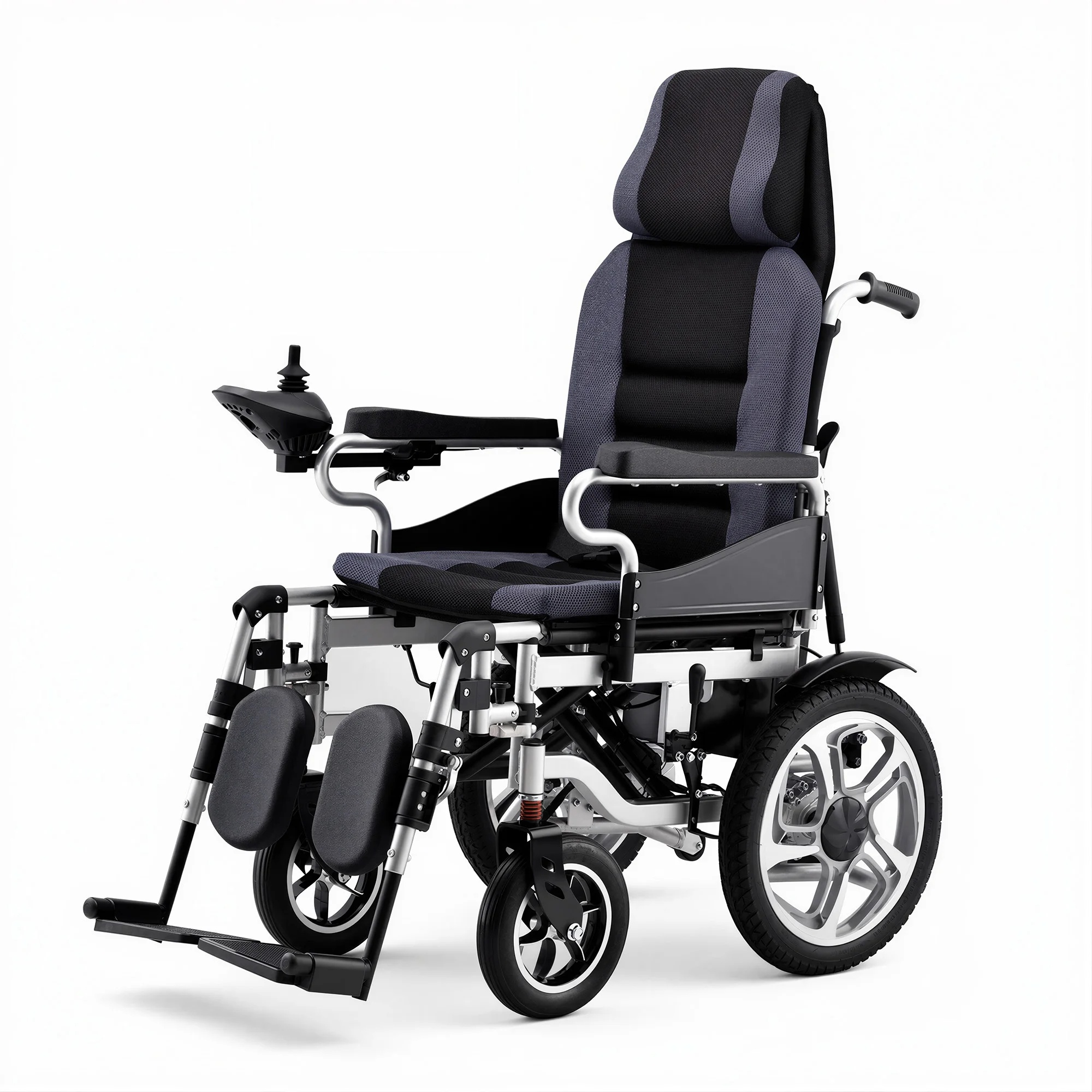
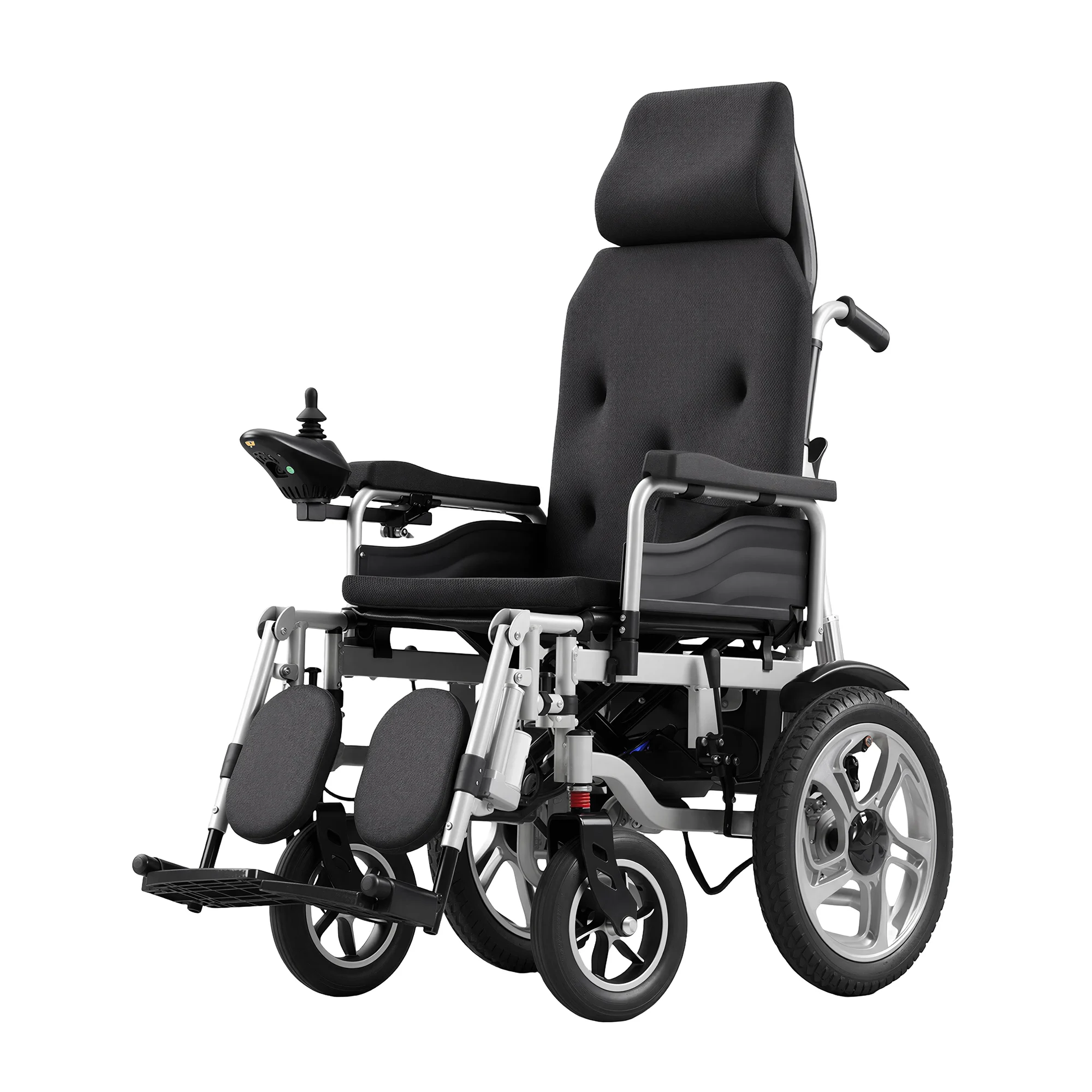
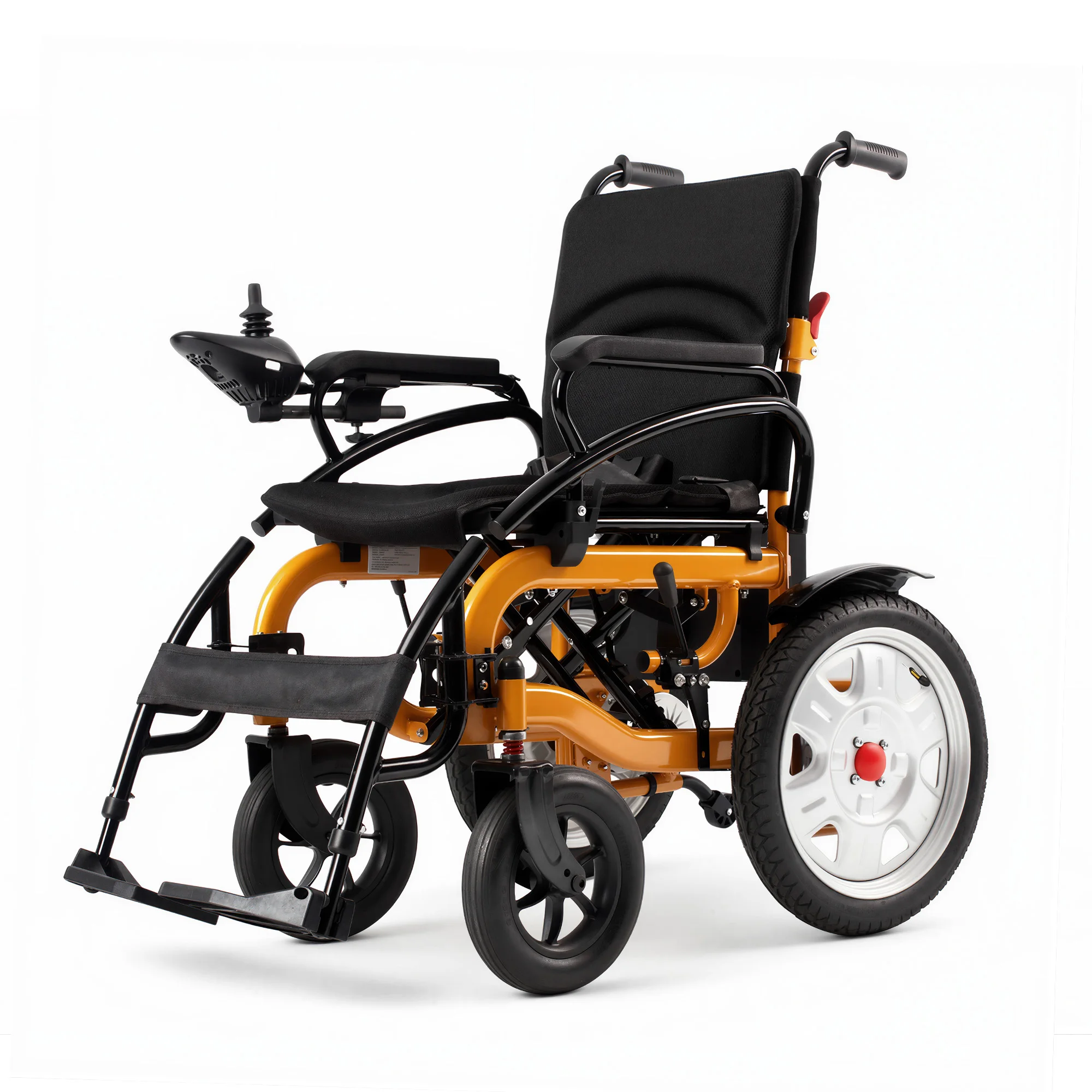
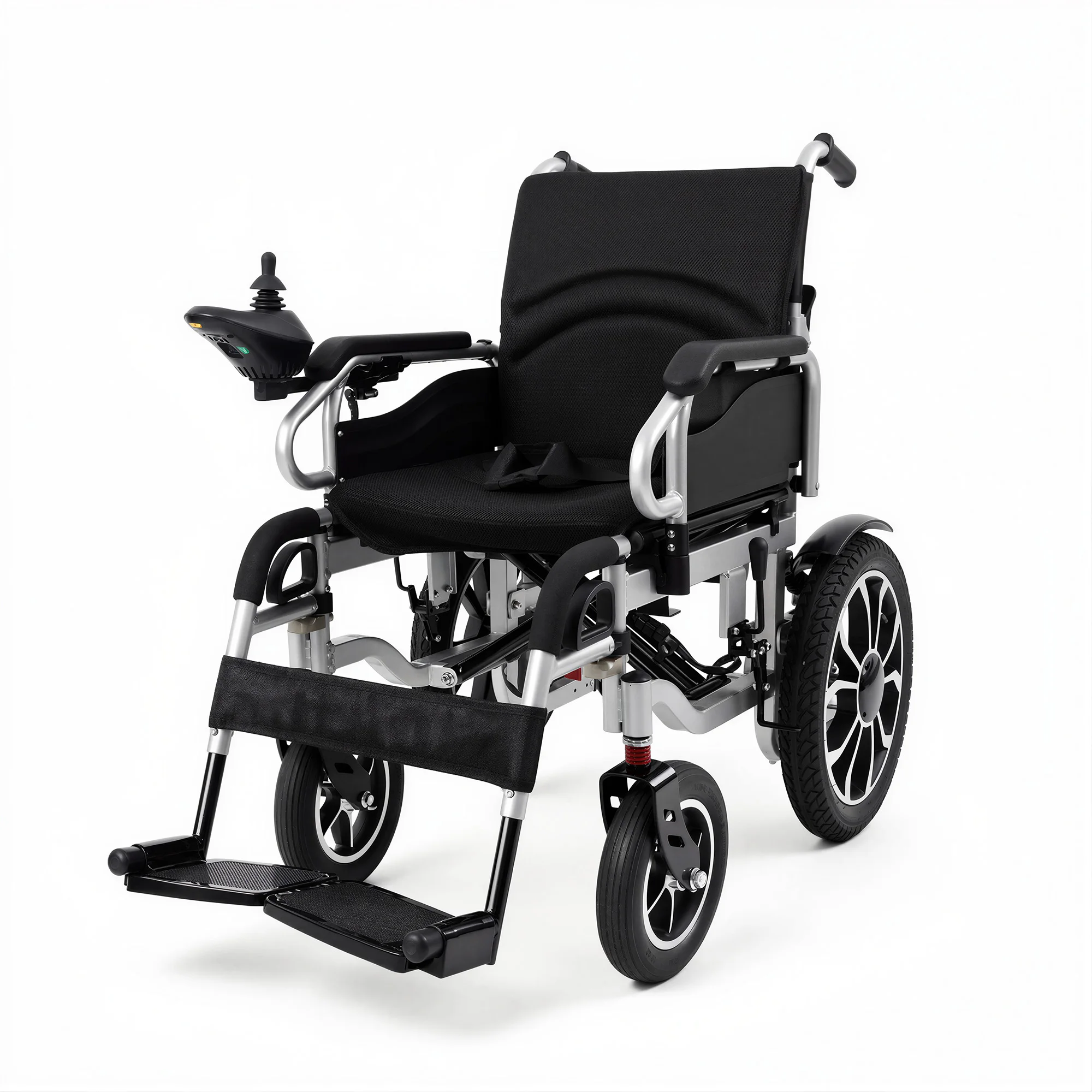
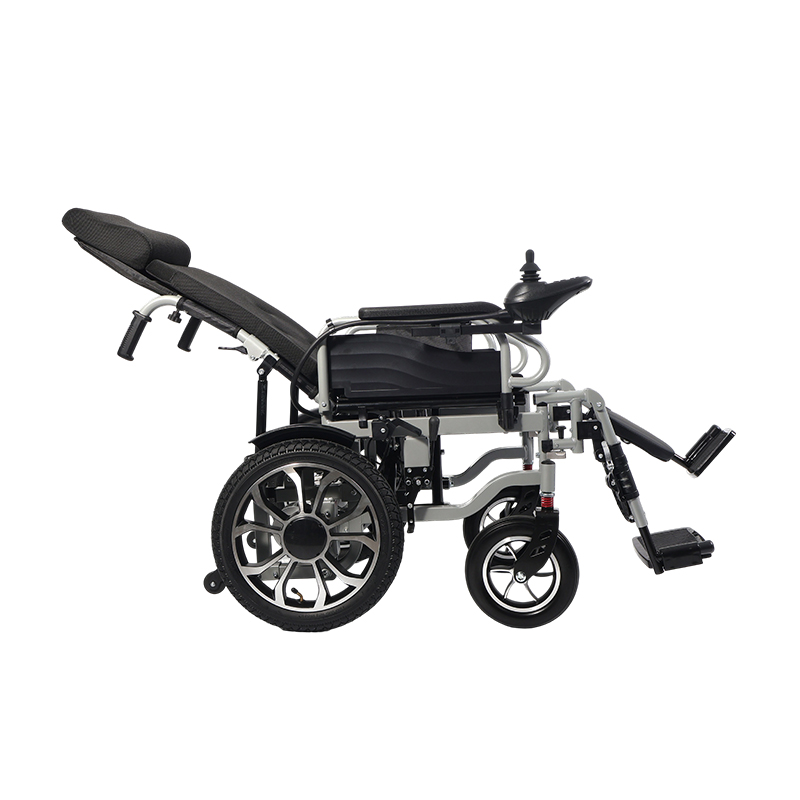
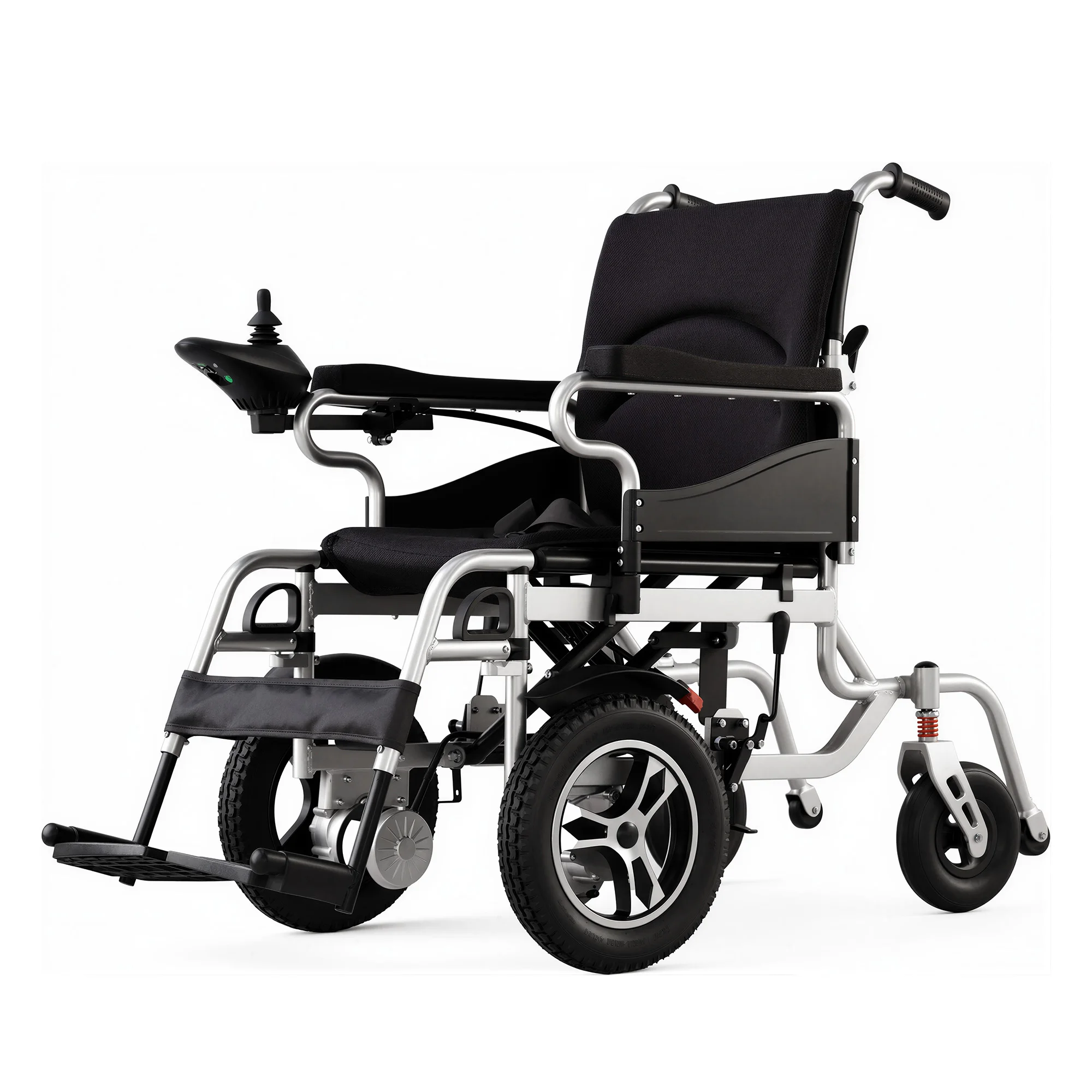
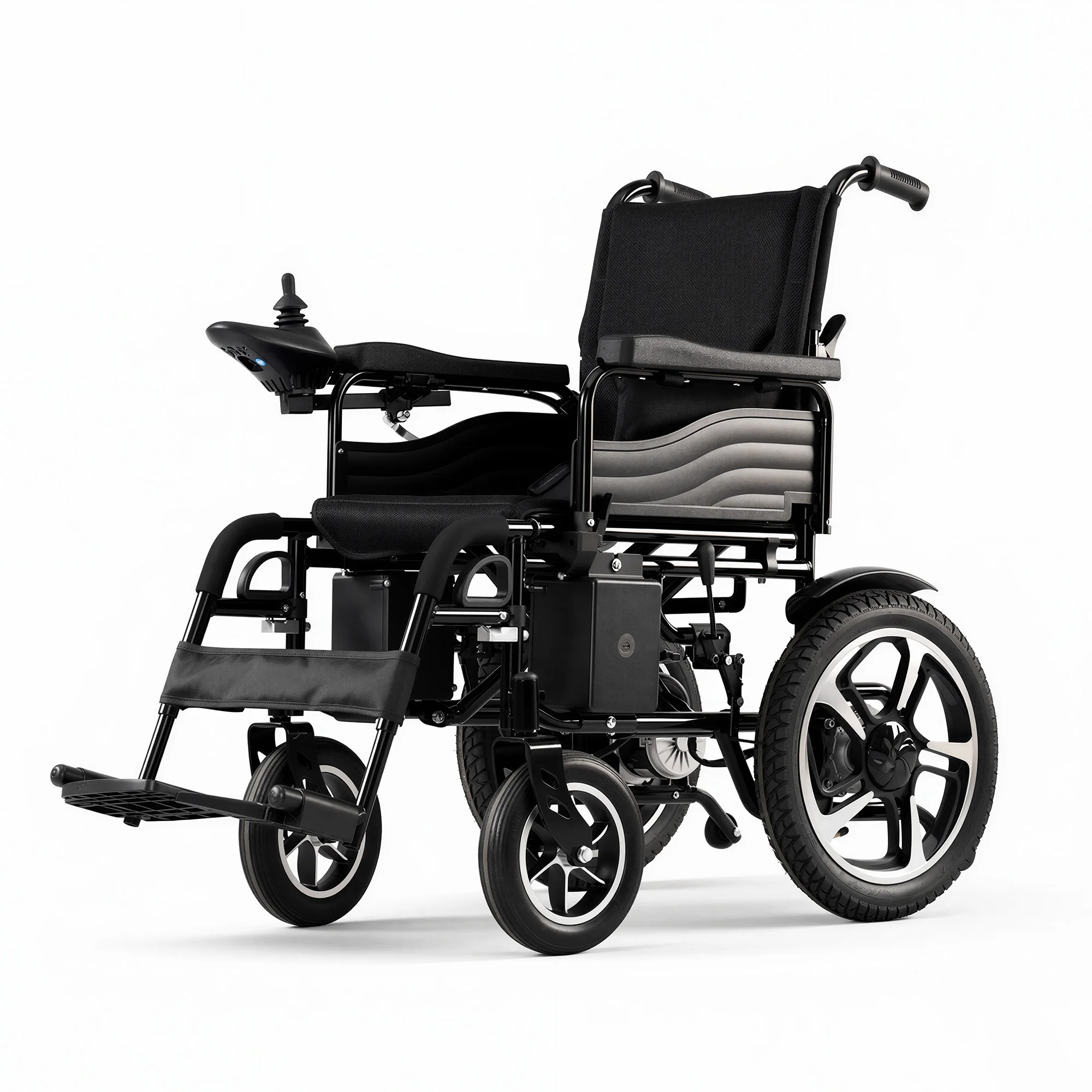
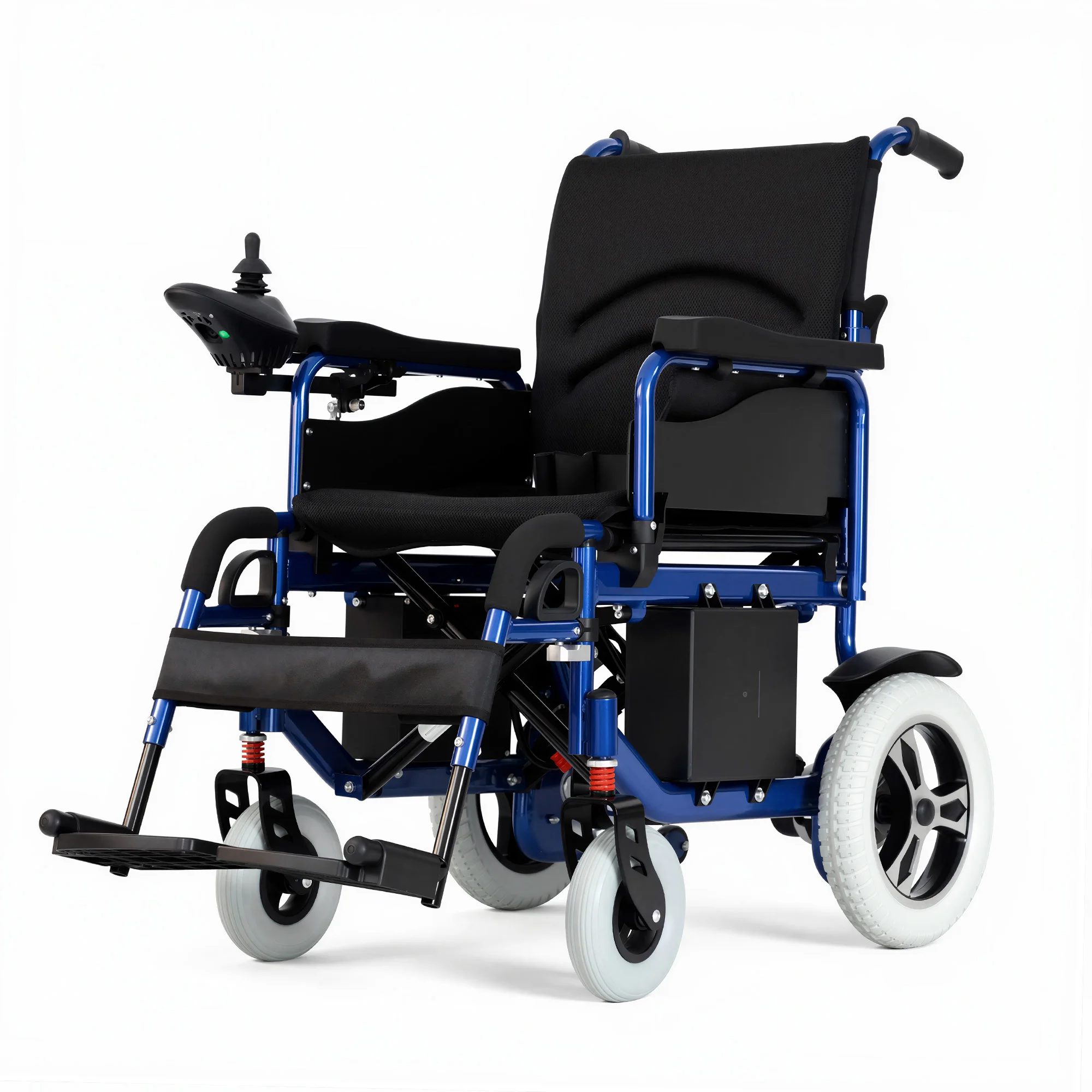
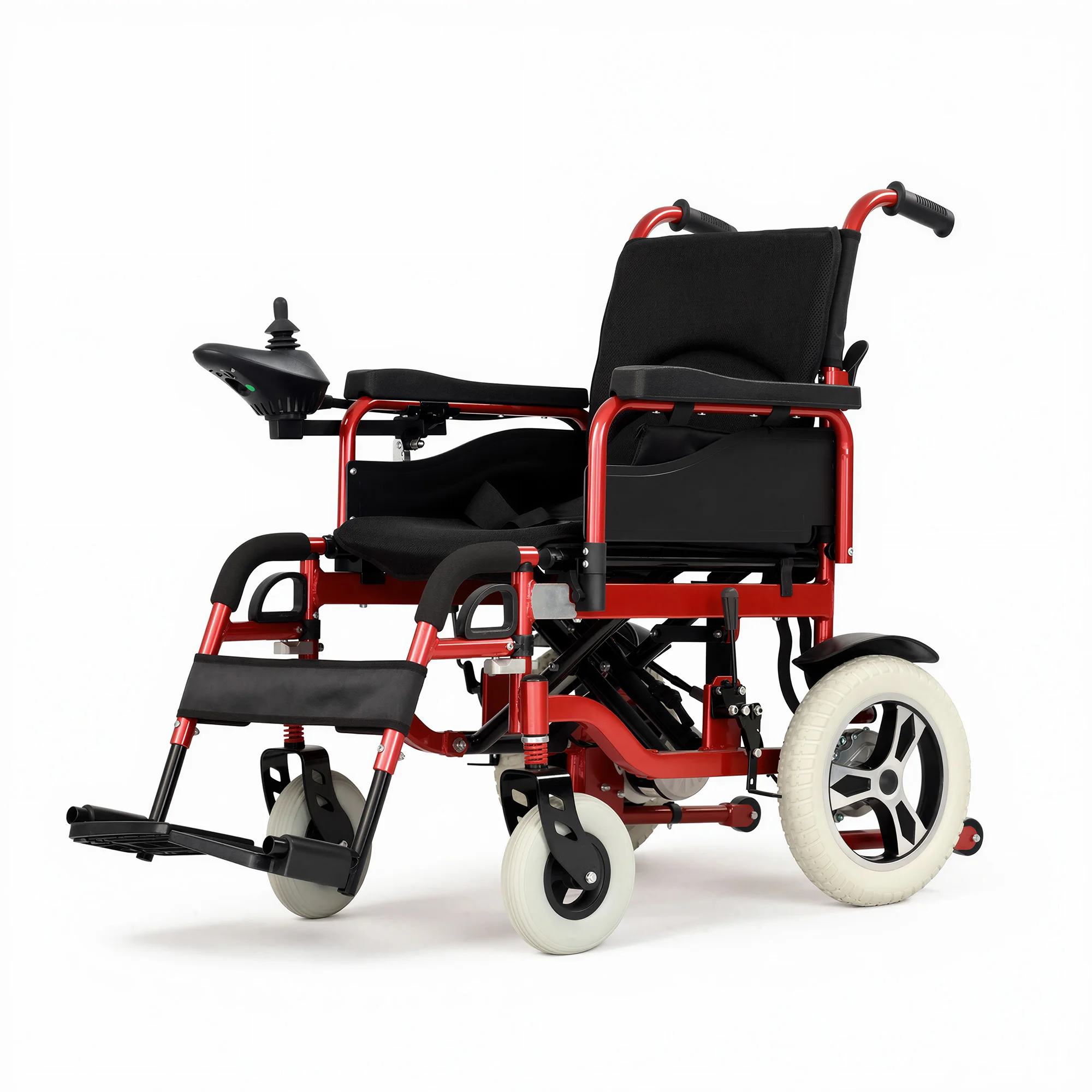
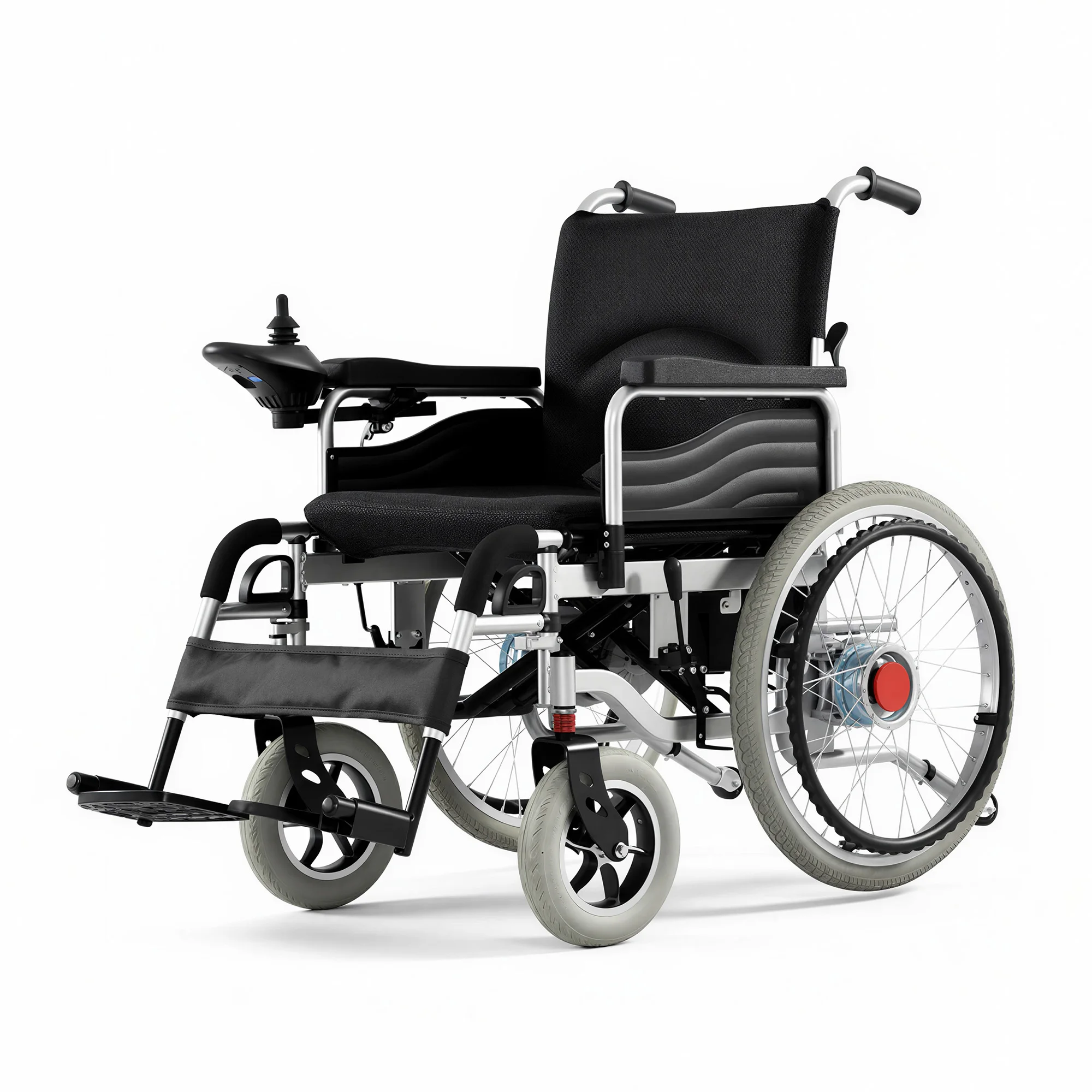
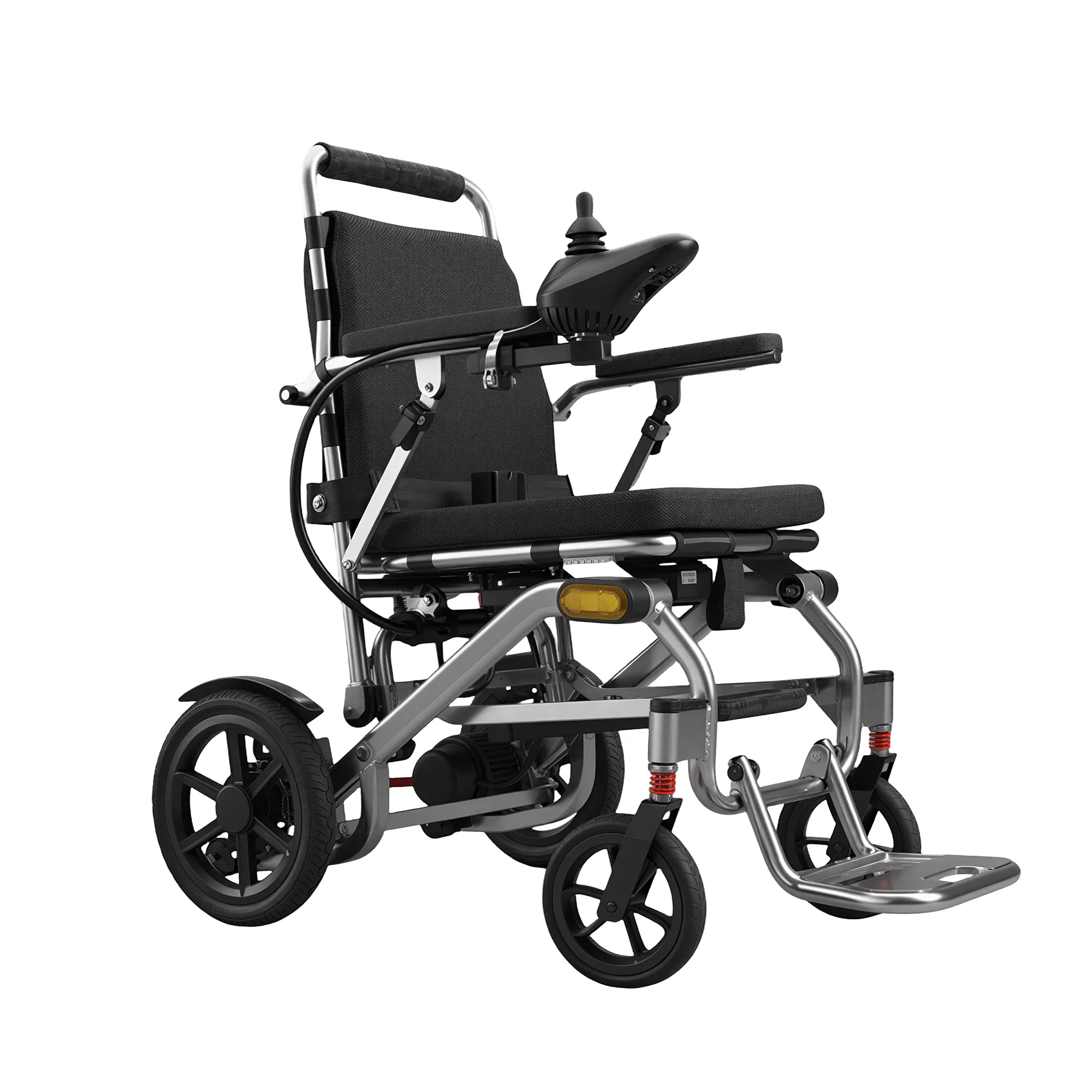
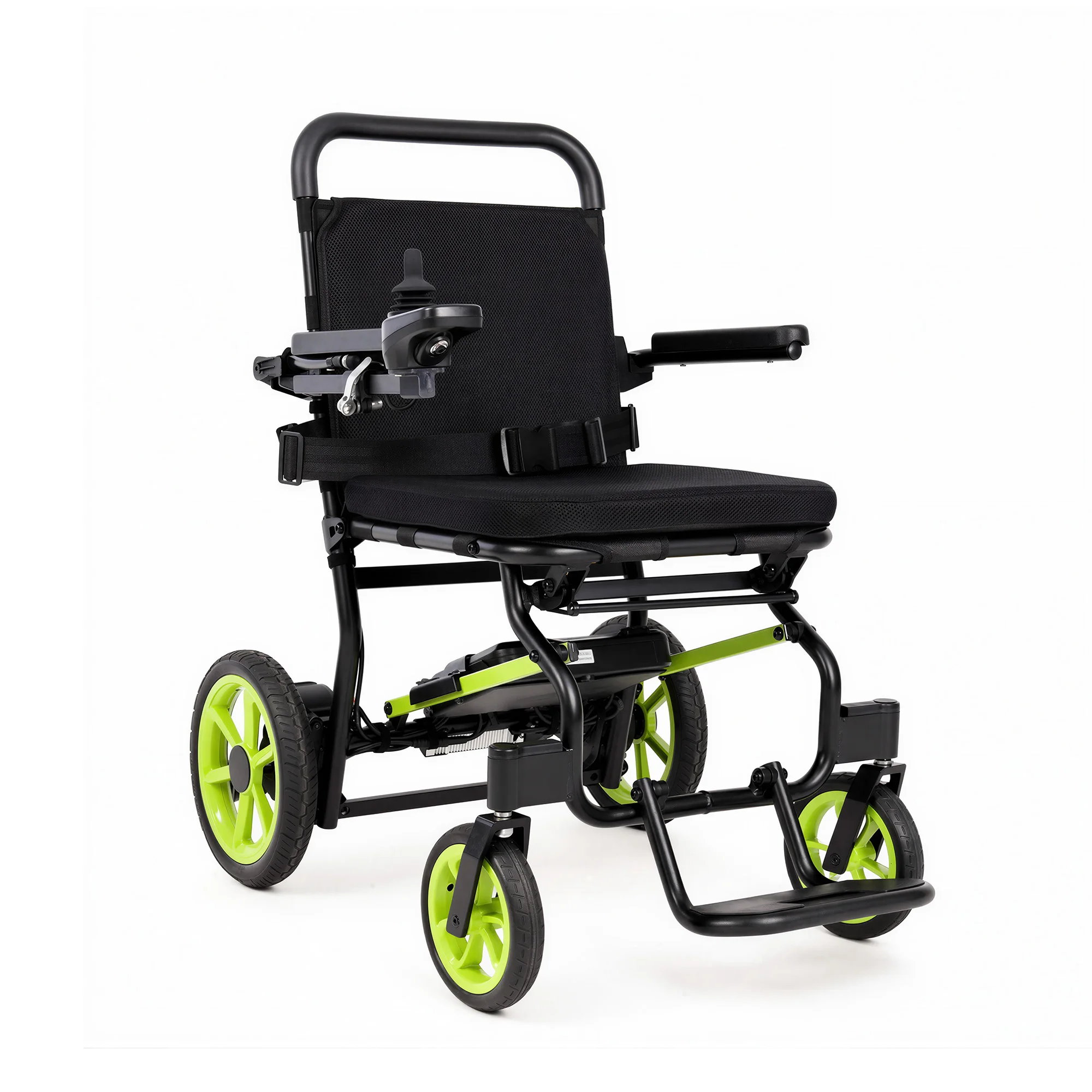
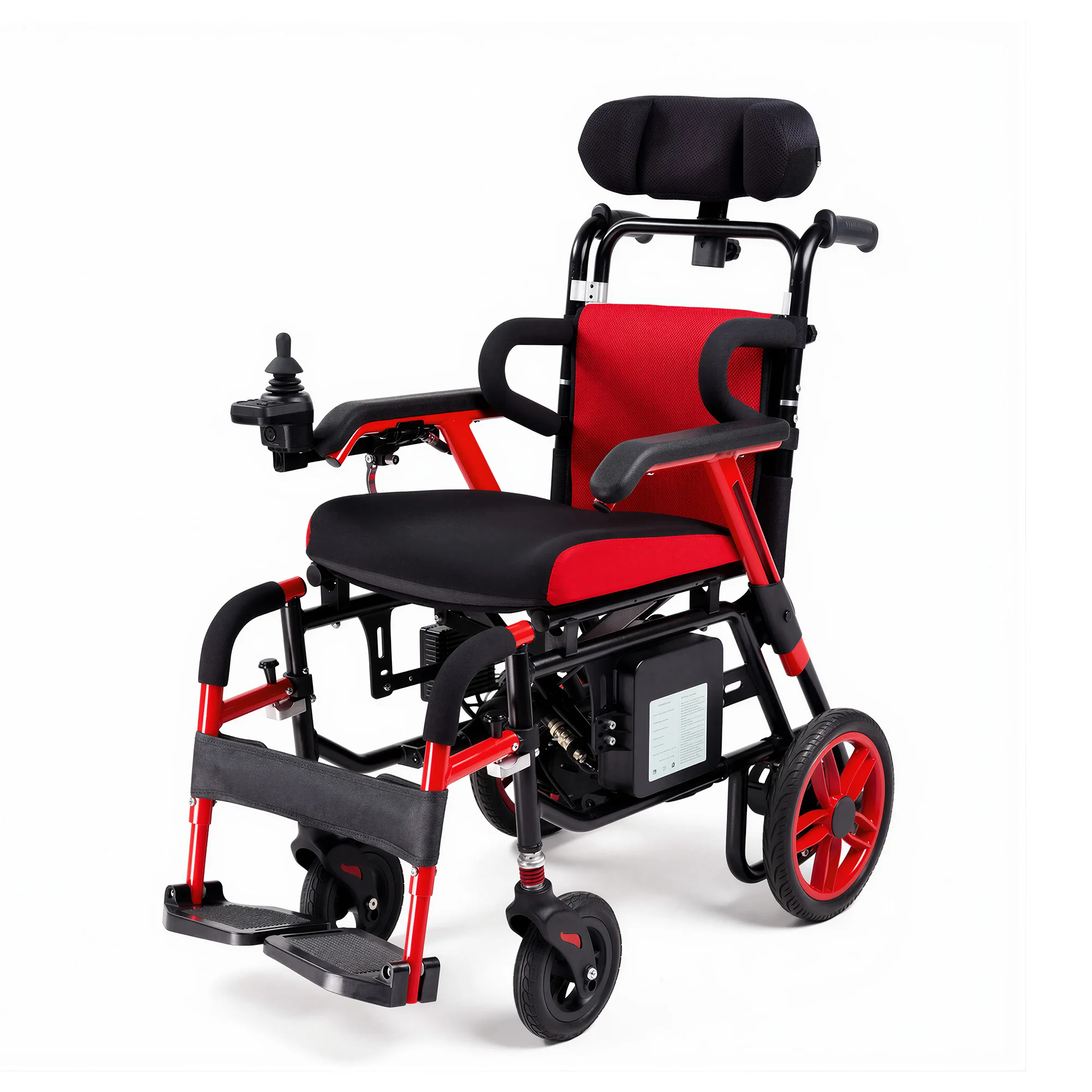
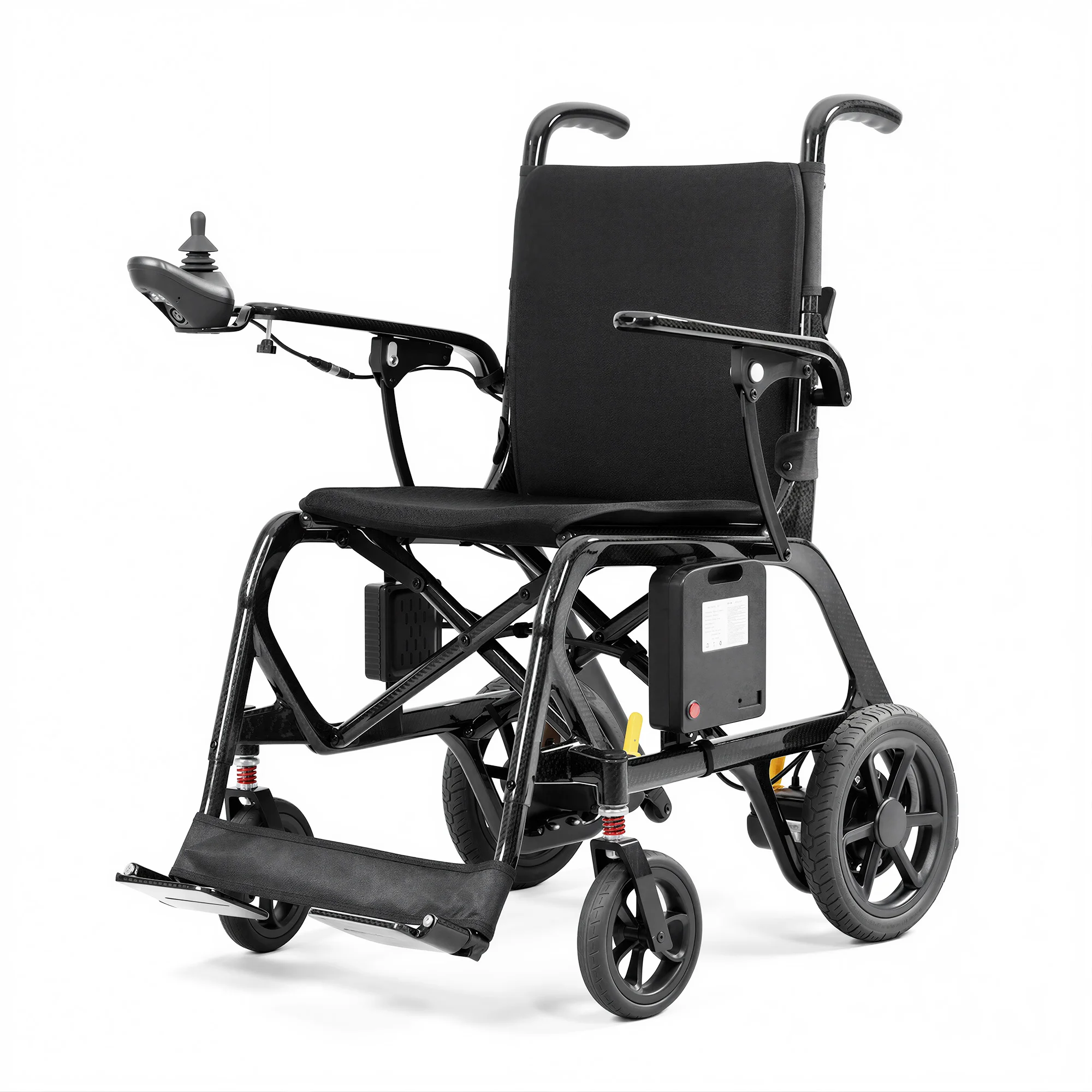
Care facilities run wheelchair fleets the way they run nothing else — dozens of users, shared equipment, no single owner feeling early warning signs. The result is predictable: breakdowns cluster on the chairs used most, and repairs happen at emergency prices. A schedule fixes this, and it is not complicated.
The five errors behind most fleet breakdowns
- Charging chaos: chairs parked wherever, chargers unplugged by whoever. Lithium tolerates partial cycles, but the fleet that charges "when someone remembers" runs on half-flat packs that die on slopes mid-shift.
- Tire pressure blindness: pneumatic fleets running 30% under pressure burn motors, drain batteries and wear tires in months. It is the cheapest check and the most skipped.
- Loose hardware denial: footrests and armrests rattle for weeks before something shears. A weekly torque pass takes minutes per chair.
- Controller profiles reset by accumulated error: staff "fixing" a slow chair by maxing its profile, then the next user inherits unsafe settings. Profile lock is the answer, and it exists on every serious controller.
- Water damage from cleaning: pressure-washing chairs into connector graves. IPX4 means rain, not jets.
The calendar
Daily (by care staff, 1 minute per chair): charge connection verified, visual once-over for damage, joystick returns to center cleanly.
Weekly (by designated staff, 5 minutes per chair): tire pressure and tread, brake function test on a slope, hardware snug check, casters free of hair and thread wraps (the number-one caster killer in facilities), chair clean of spills at connectors.
Monthly (maintenance technician, 15-20 minutes per chair): connector inspection, battery terminal torque and contact cleanliness, wheel bolt torque, controller fault-code readout, range spot-check (a 200-meter circuit; a chair that suddenly draws more current is telling you about a bearing before it fails), folding mechanism lubrication.
Annual (technician plus supplier review): battery capacity test, motor current draw logging, full bolt-torque audit, seat and posture hardware, firmware/profile verification against the facility's standard, and a fleet utilization analysis to decide replacements.
Metrics that earn their spreadsheet
- Availability rate: chairs in service / total fleet, tracked monthly. Institutional target: 95%+.
- MTBF by chair: mean time between faults — identifies the 20% of chairs causing 60% of tickets (usually the highest-utilization units, which deserve faster service cycles, not the same schedule as garage-queens).
- Cost per chair-month: repairs plus parts divided by chair-months in service. When a chair's rolling 12-month cost crosses 40% of replacement price, it has entered its scrap window.
- Battery age census: a simple age-ordered list; replacing batteries in planned batches (not on failure) cuts downtime incidents by half in most facilities we have helped audit.
The staffing reality
None of this needs an engineer: the daily and weekly tiers belong to care staff with a laminated checklist, the monthly tier to a facilities technician with a torque driver and a multimeter, and the annual review is a half-day with the supplier. Facilities running this structure report breakdown reductions in the 40-60% range in the first year — not because the chairs improved, but because failures were caught at the 5-minute stage instead of the ambulance-stage of maintenance.