
Pressure Injury Prevention: The Repositioning Schedule Backed by Interface Pressure Data

Pressure injuries remain the most expensive complication of wheelchair use — treatment costs run 5-50 times prevention costs, and the highest-risk tissue is exactly where users sit. The prevention protocol is not guesswork; it is built on measurable interface pressures.
The numbers that define risk
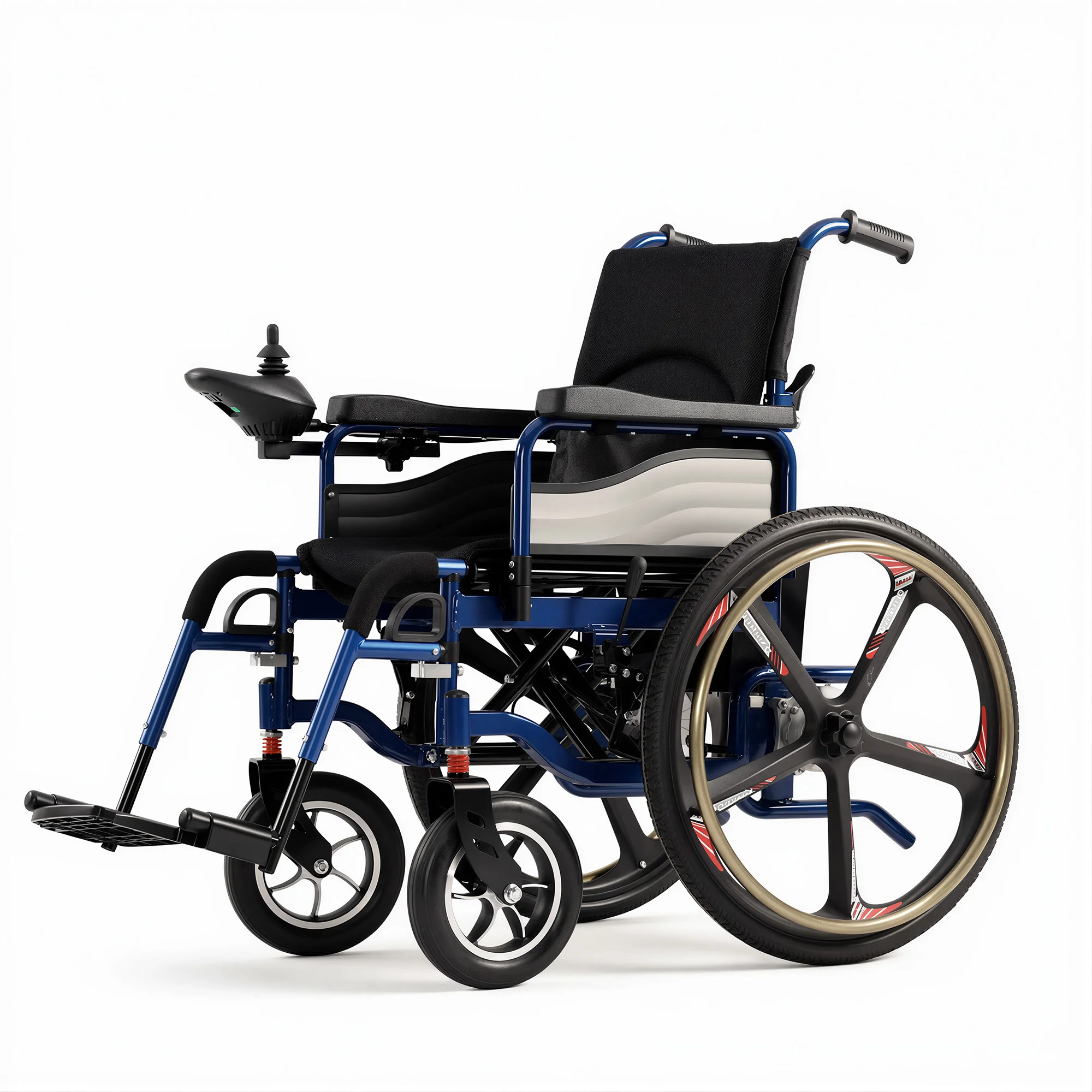
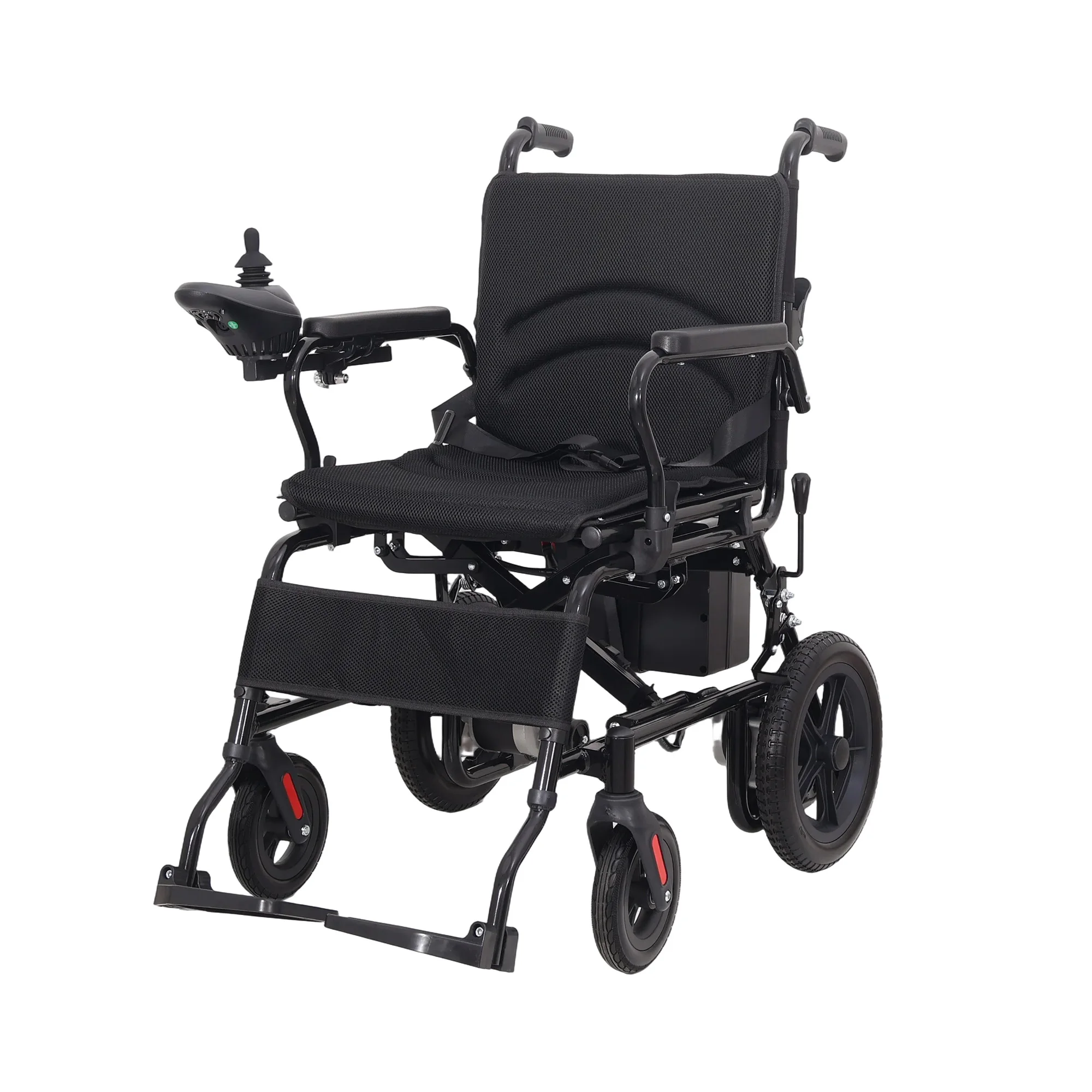
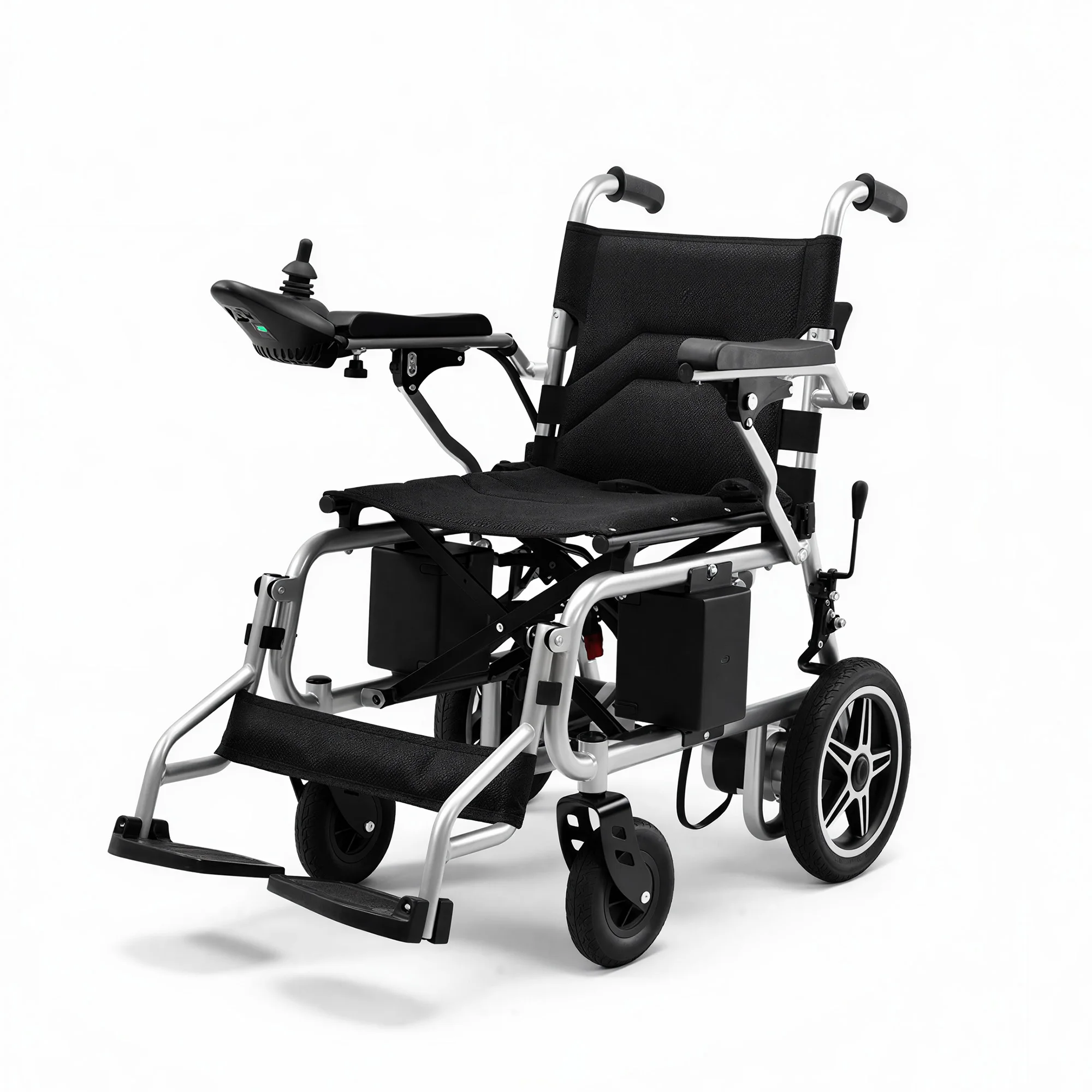
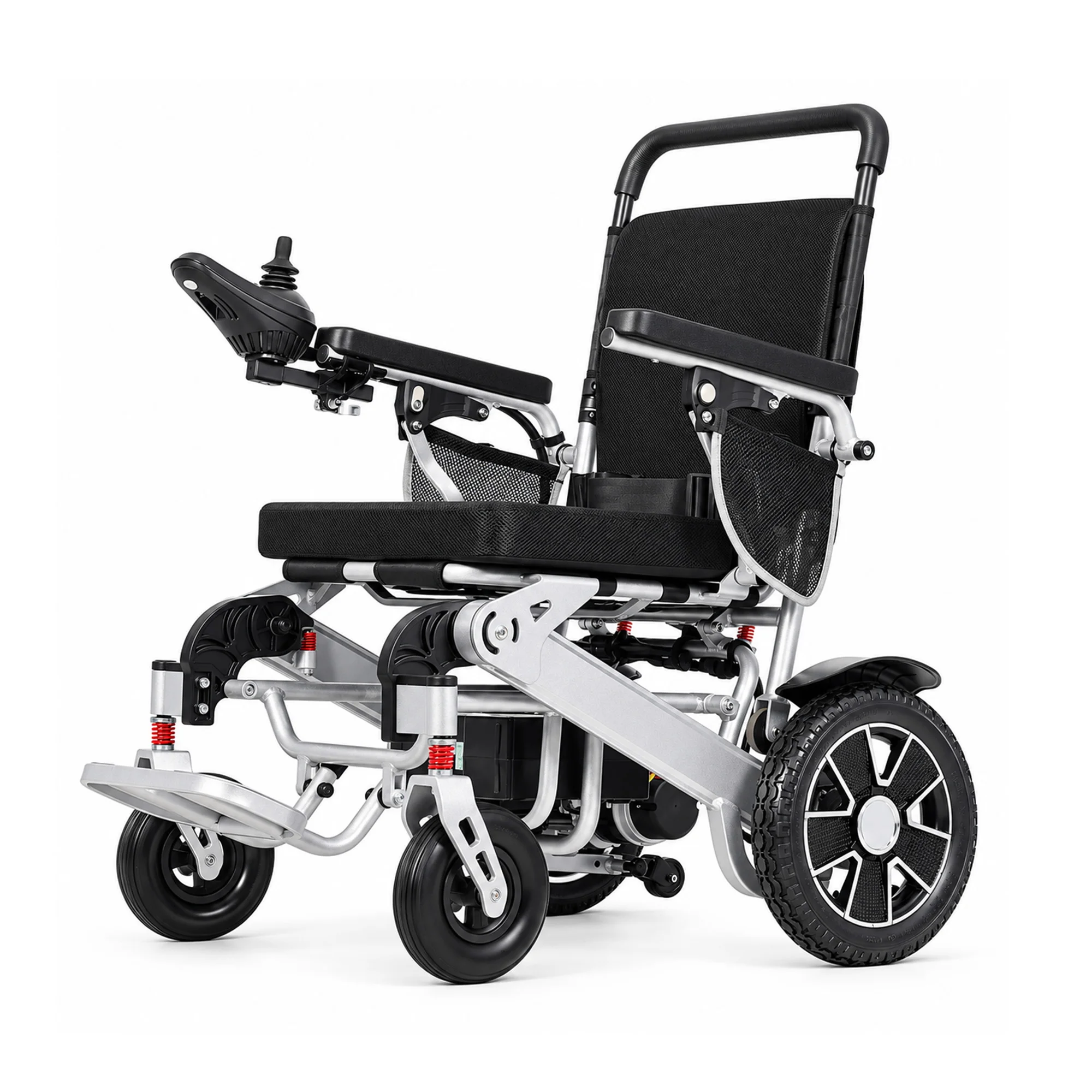
Sitting tissue tolerates roughly 32 mmHg of sustained interface pressure — the point at which capillary blood flow is overcome in average adults. Flat sling seats loaded with a typical adult generate 60-100 mmHg at the ischial tuberosities; standard foam cushions bring that to 40-70 mmHg; contoured foam or gel hybrids reach 25-45 mmHg; air-cell cushions achieve 20-35 mmHg across the surface. Injured tissue tolerates less than healthy tissue — a user with a healed wound is working with reduced margins forever.
Why repositioning interval matters more than cushion choice
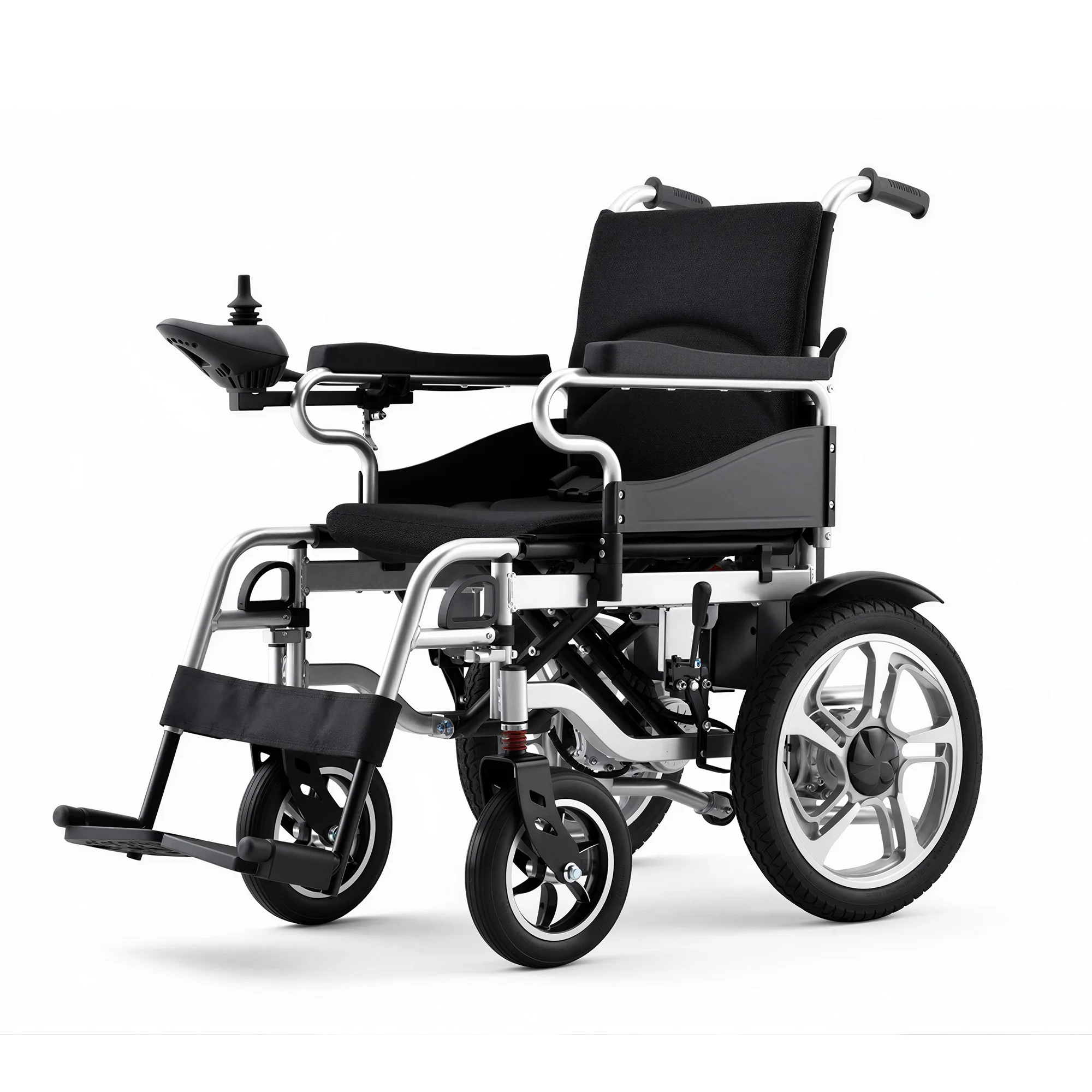
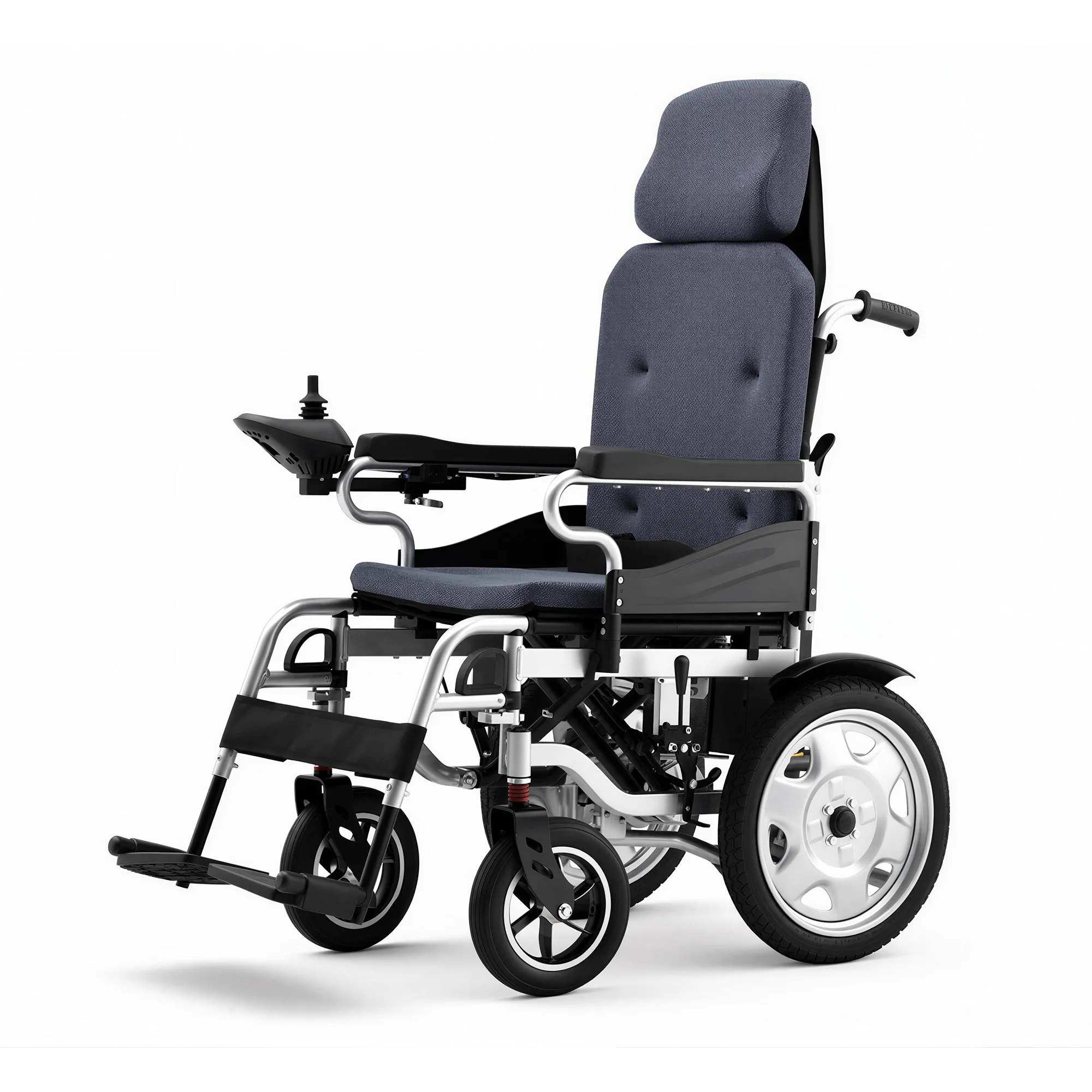
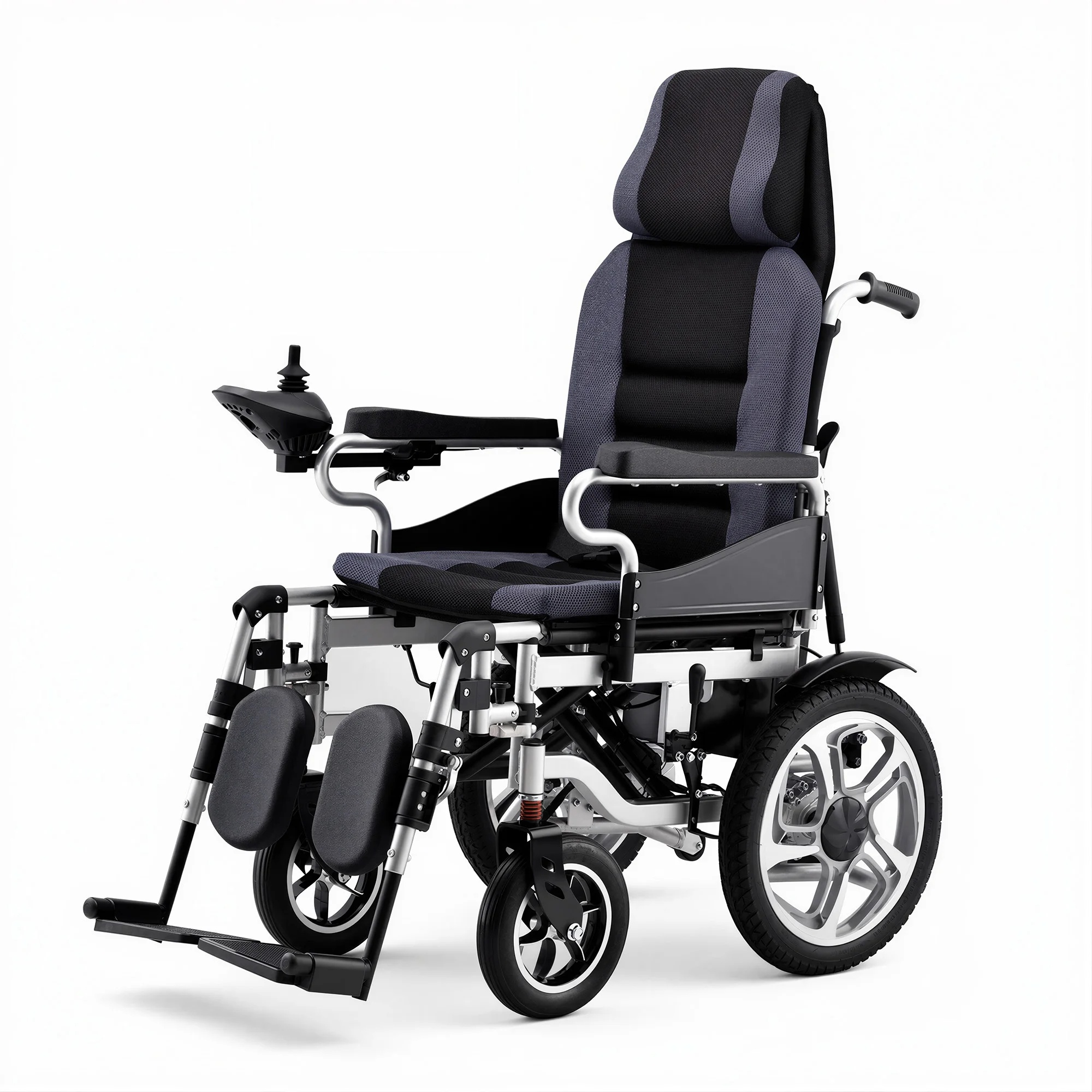
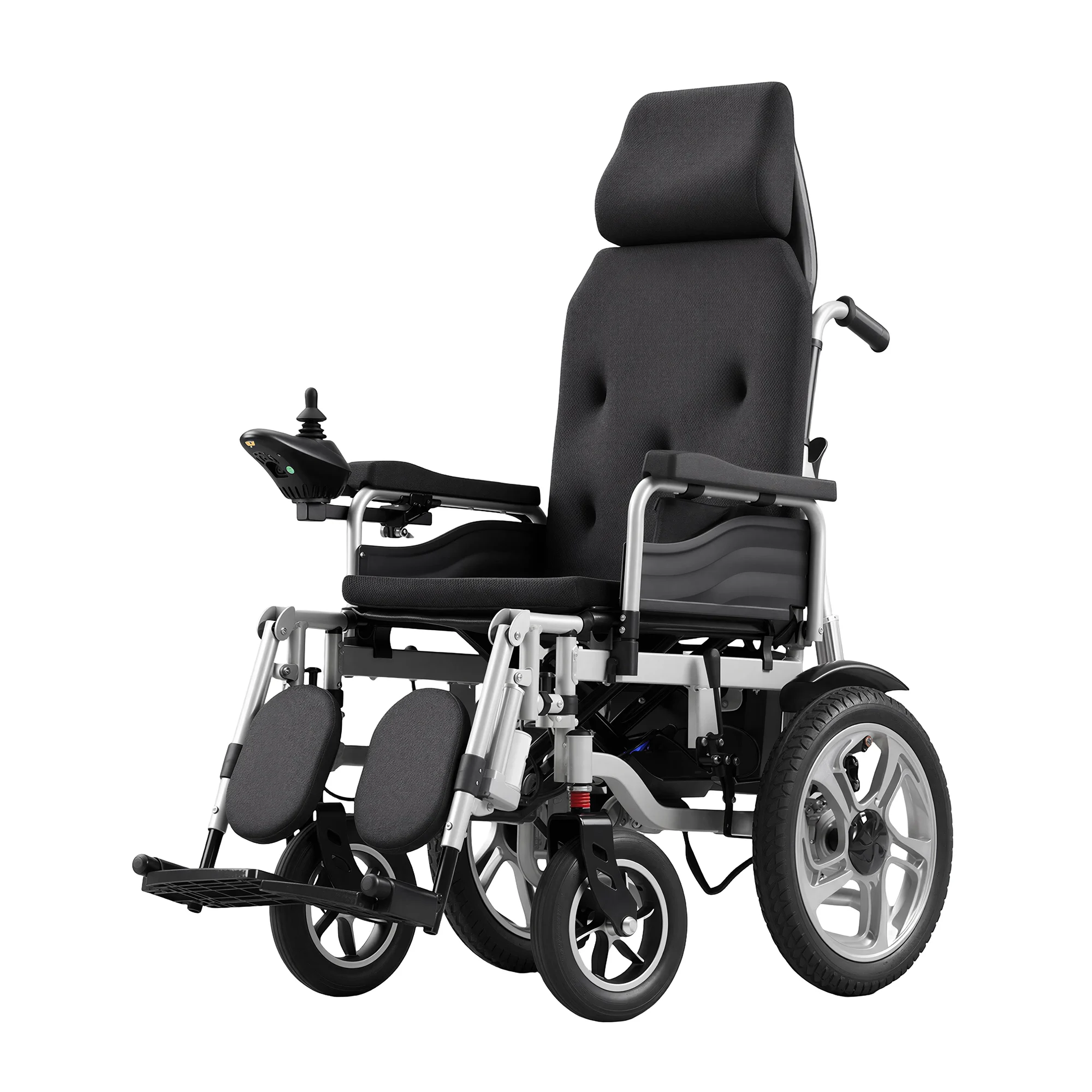
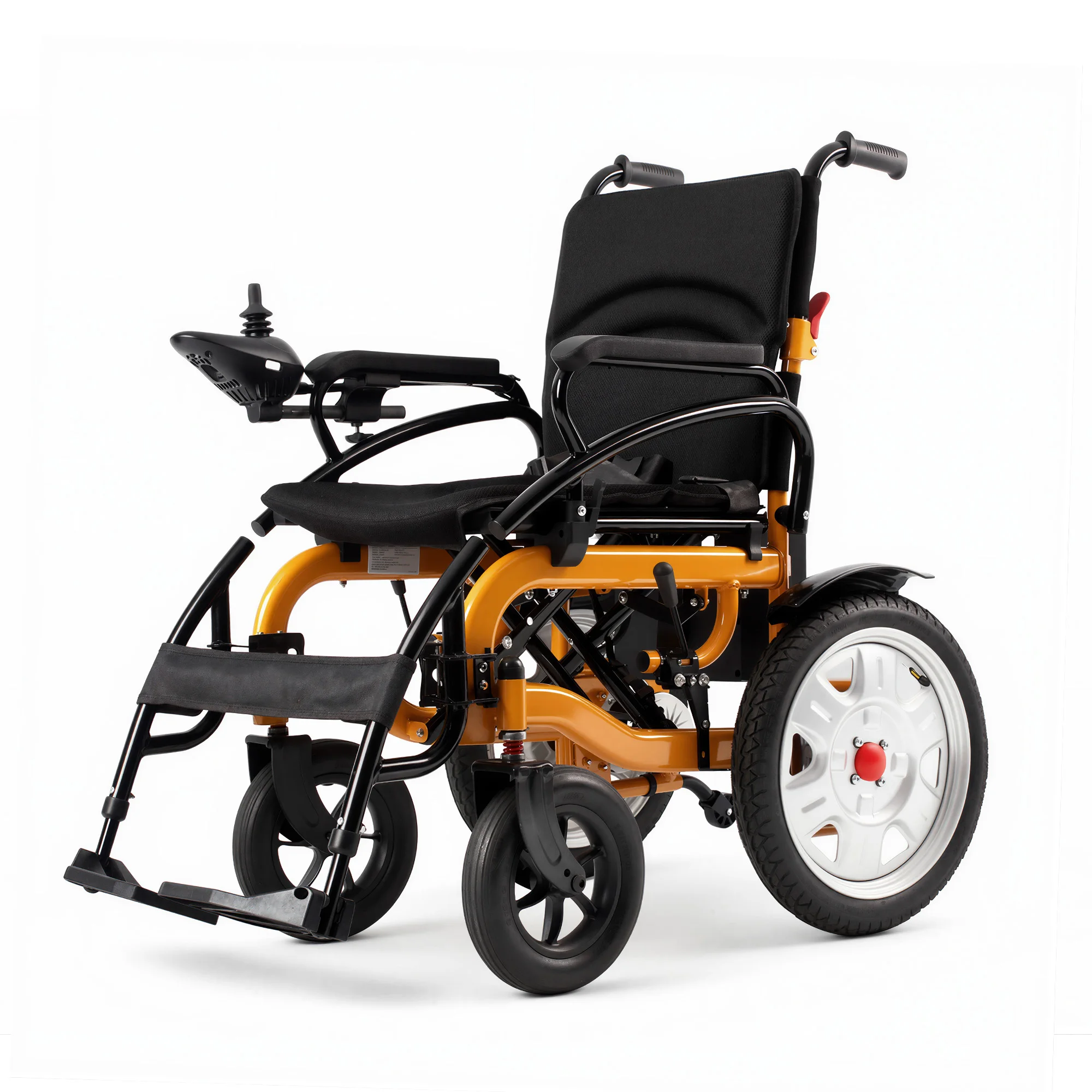
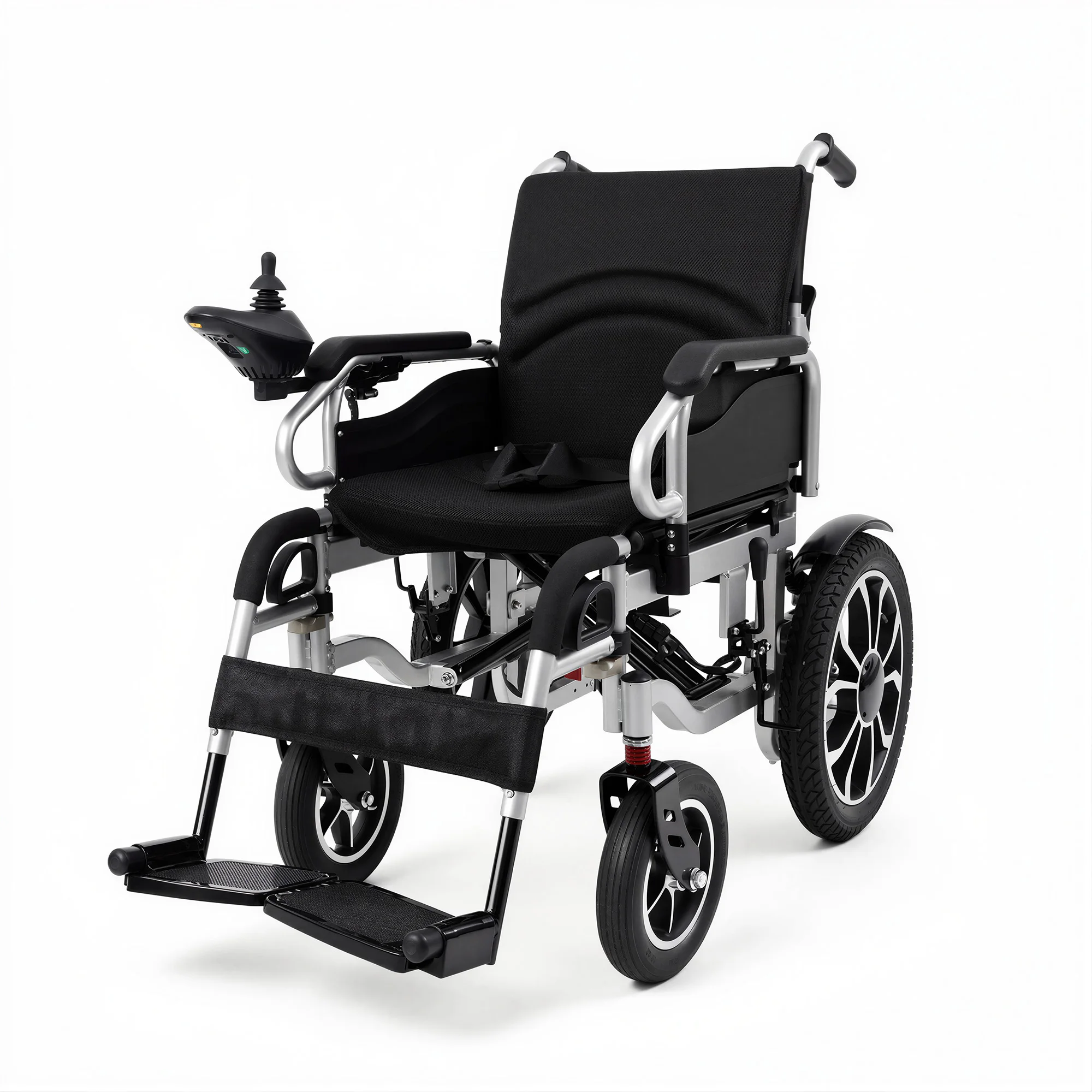
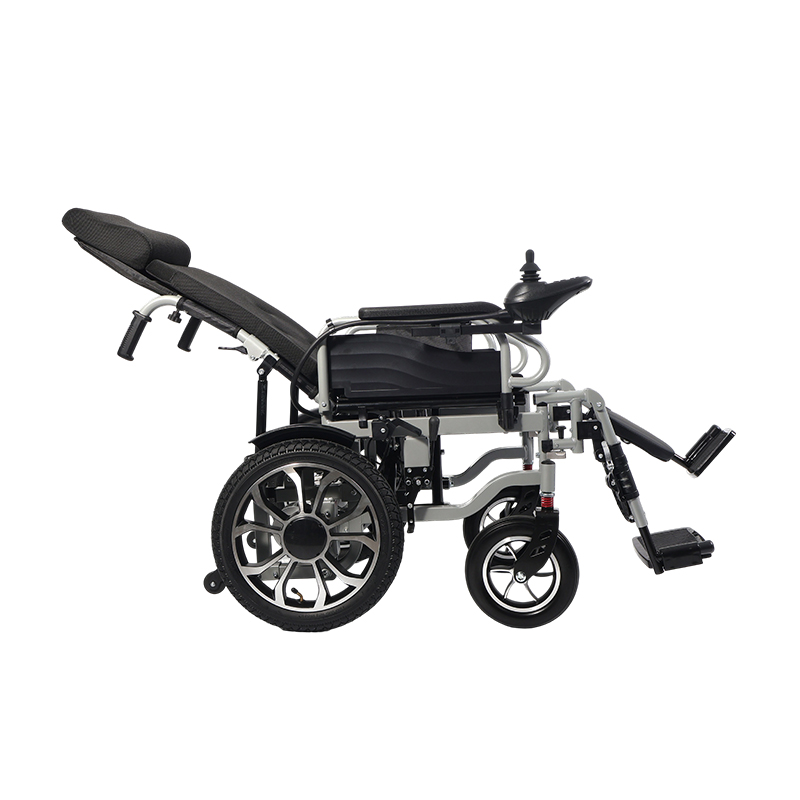
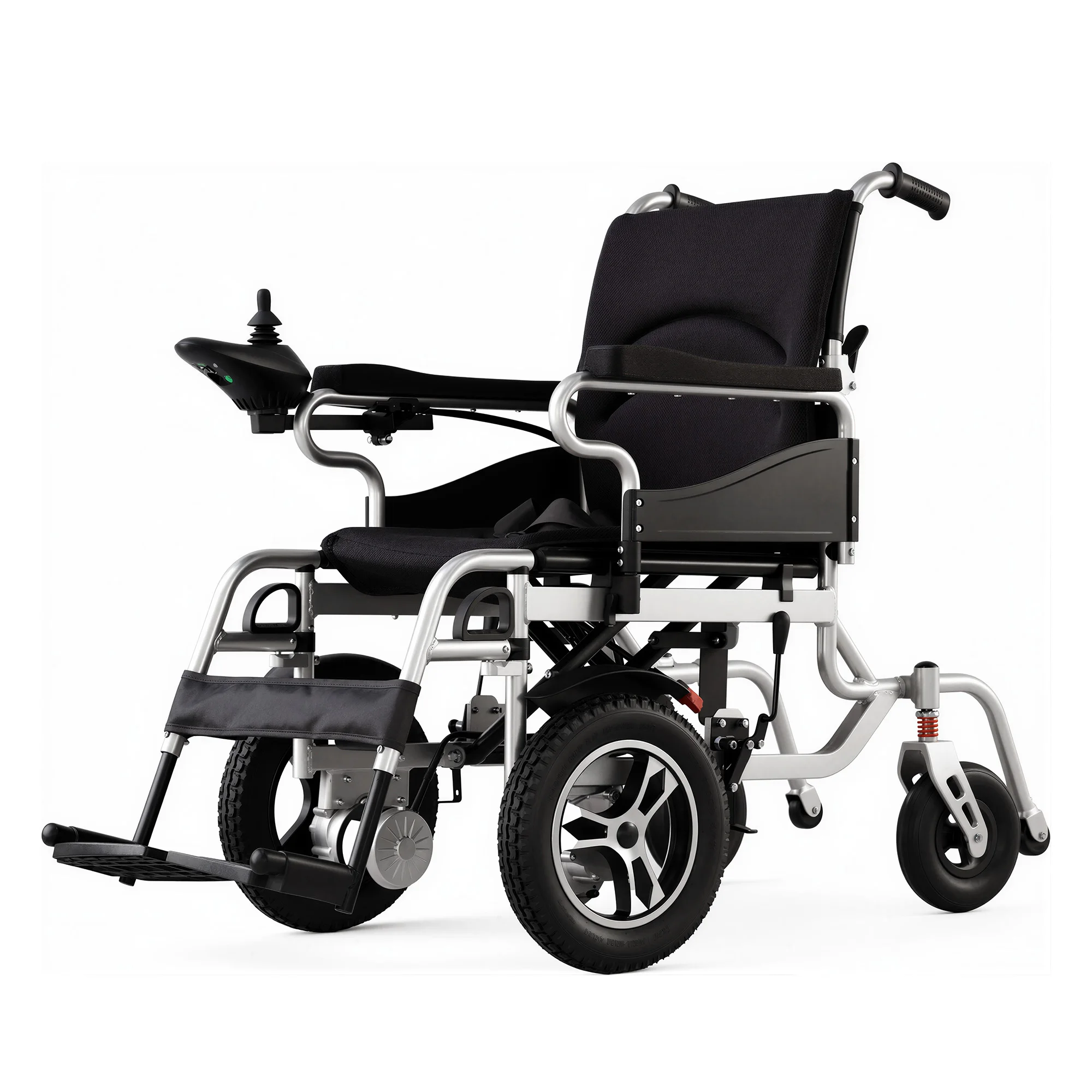
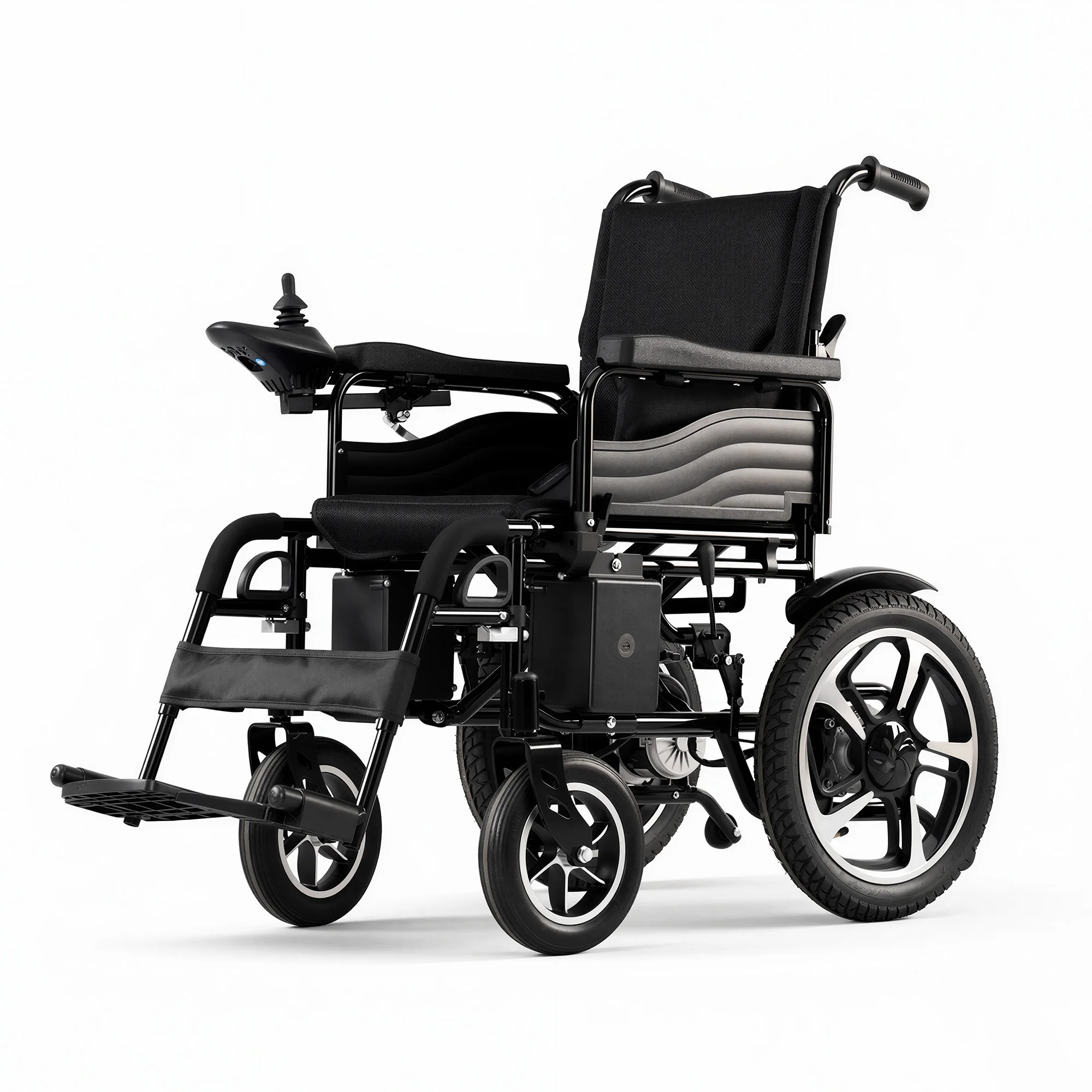
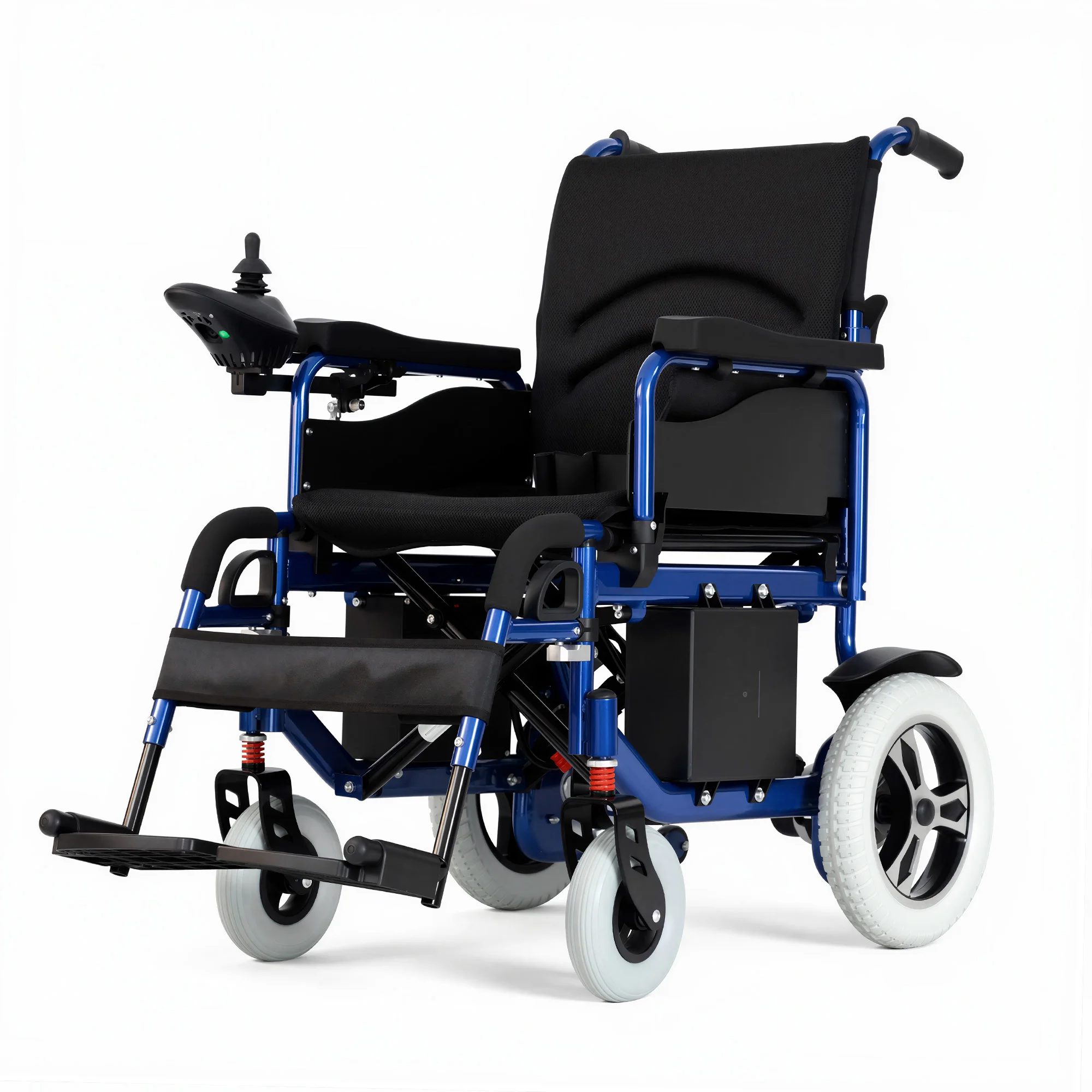
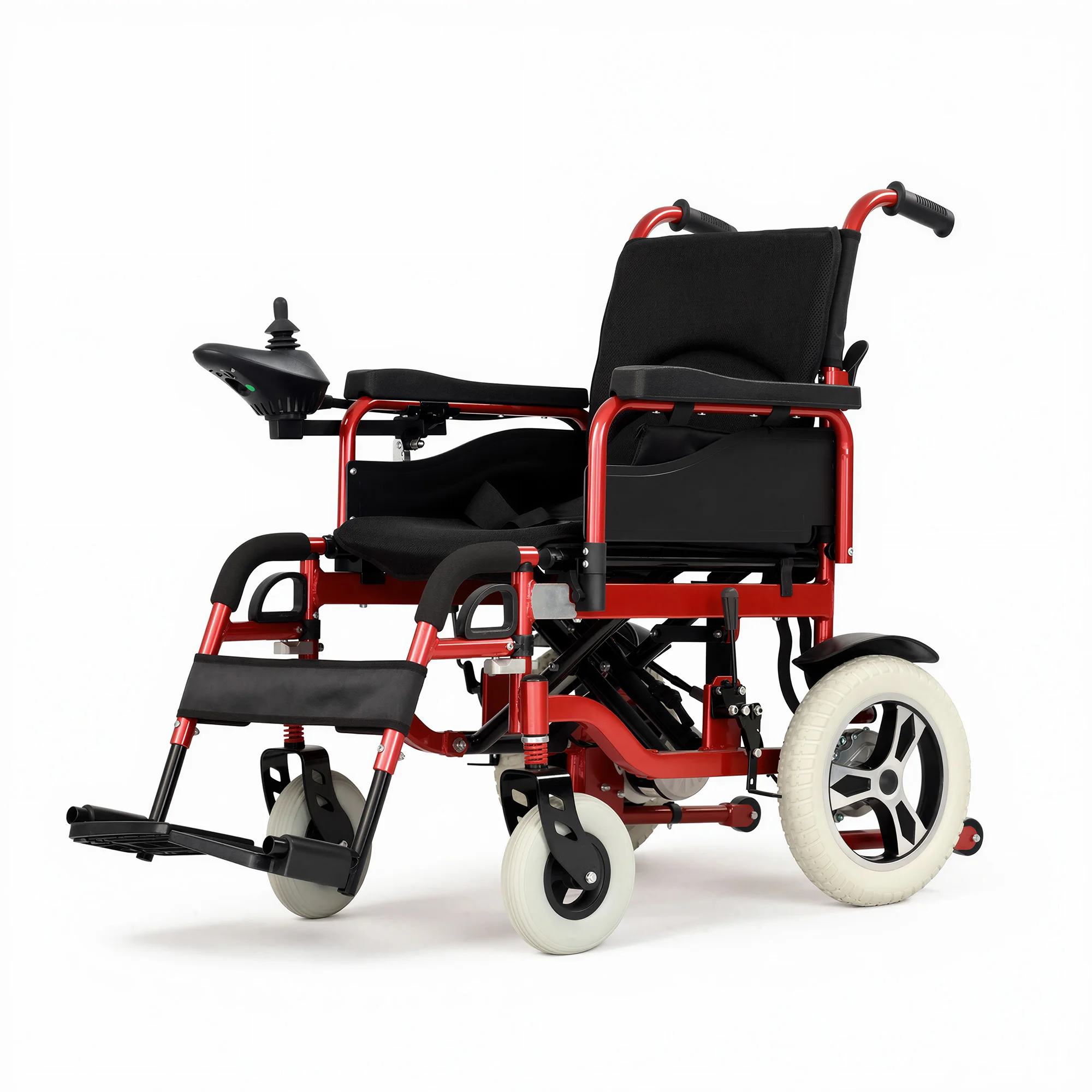
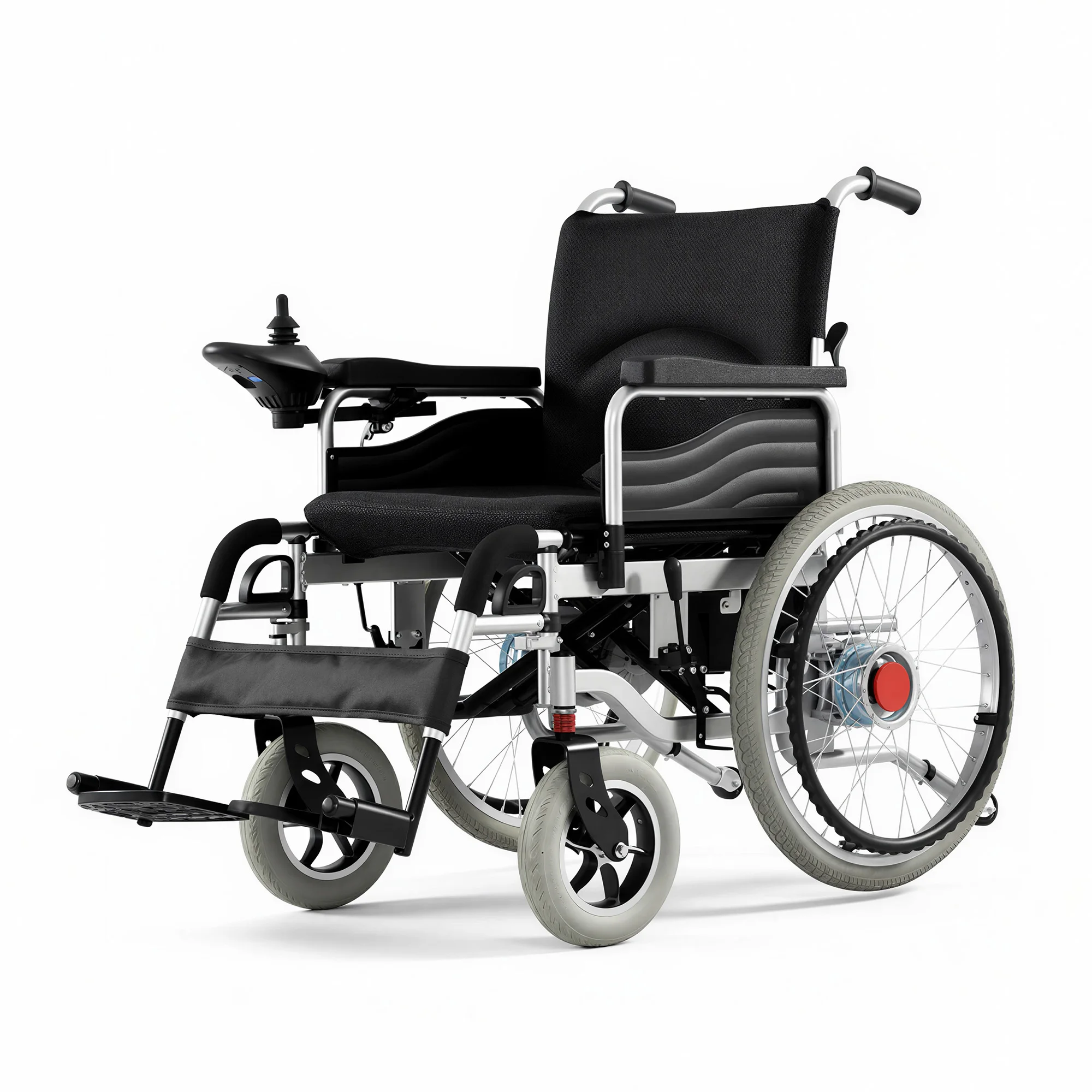
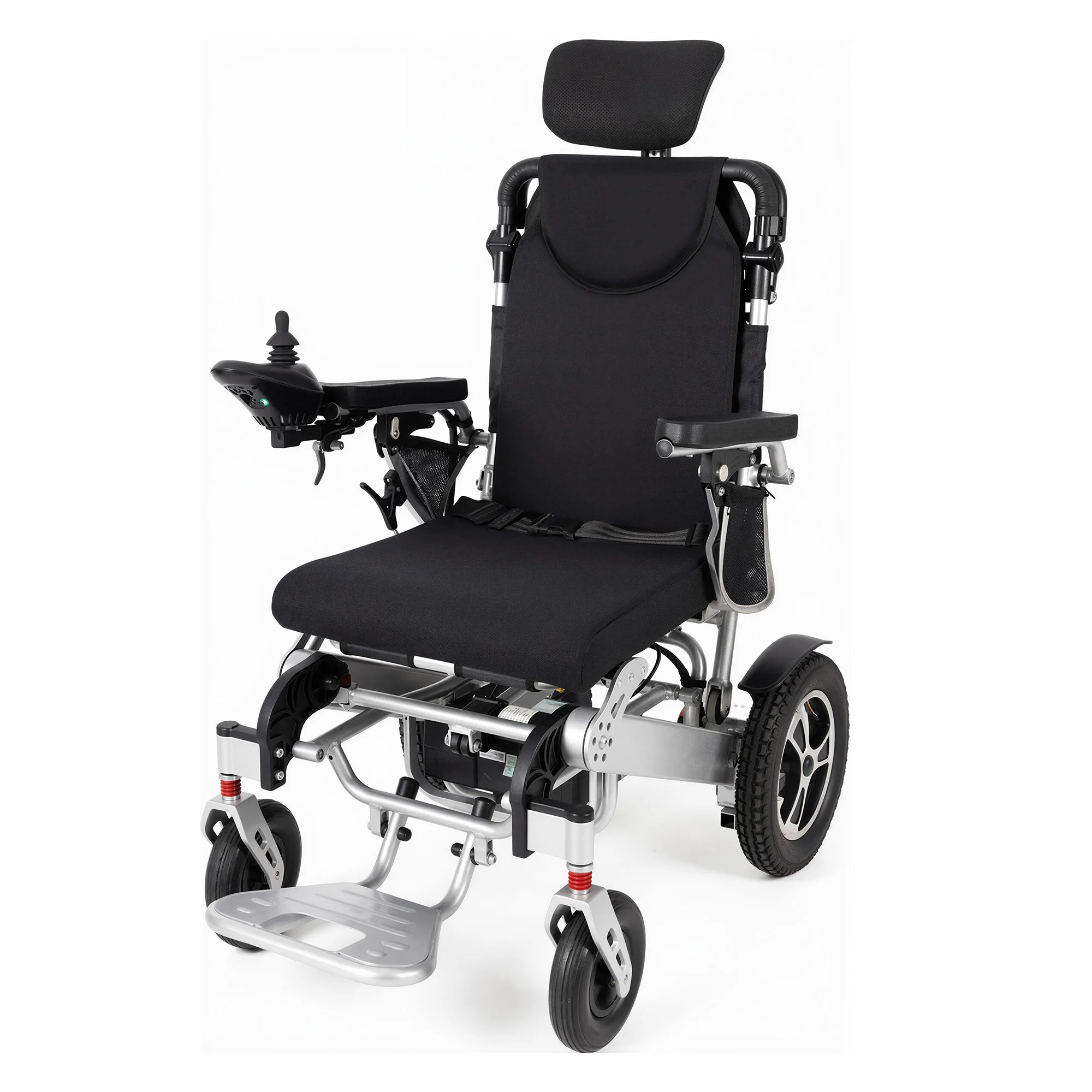
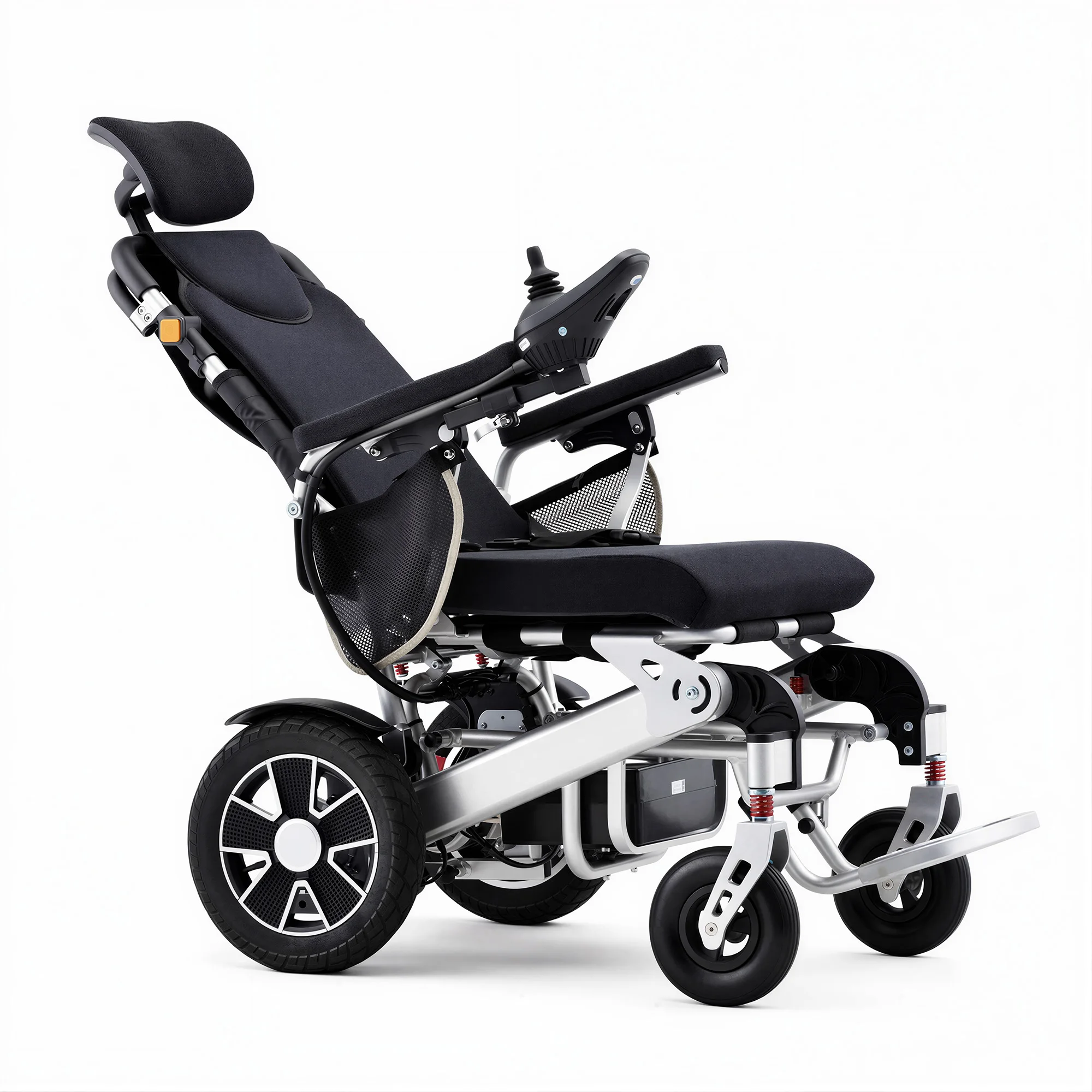
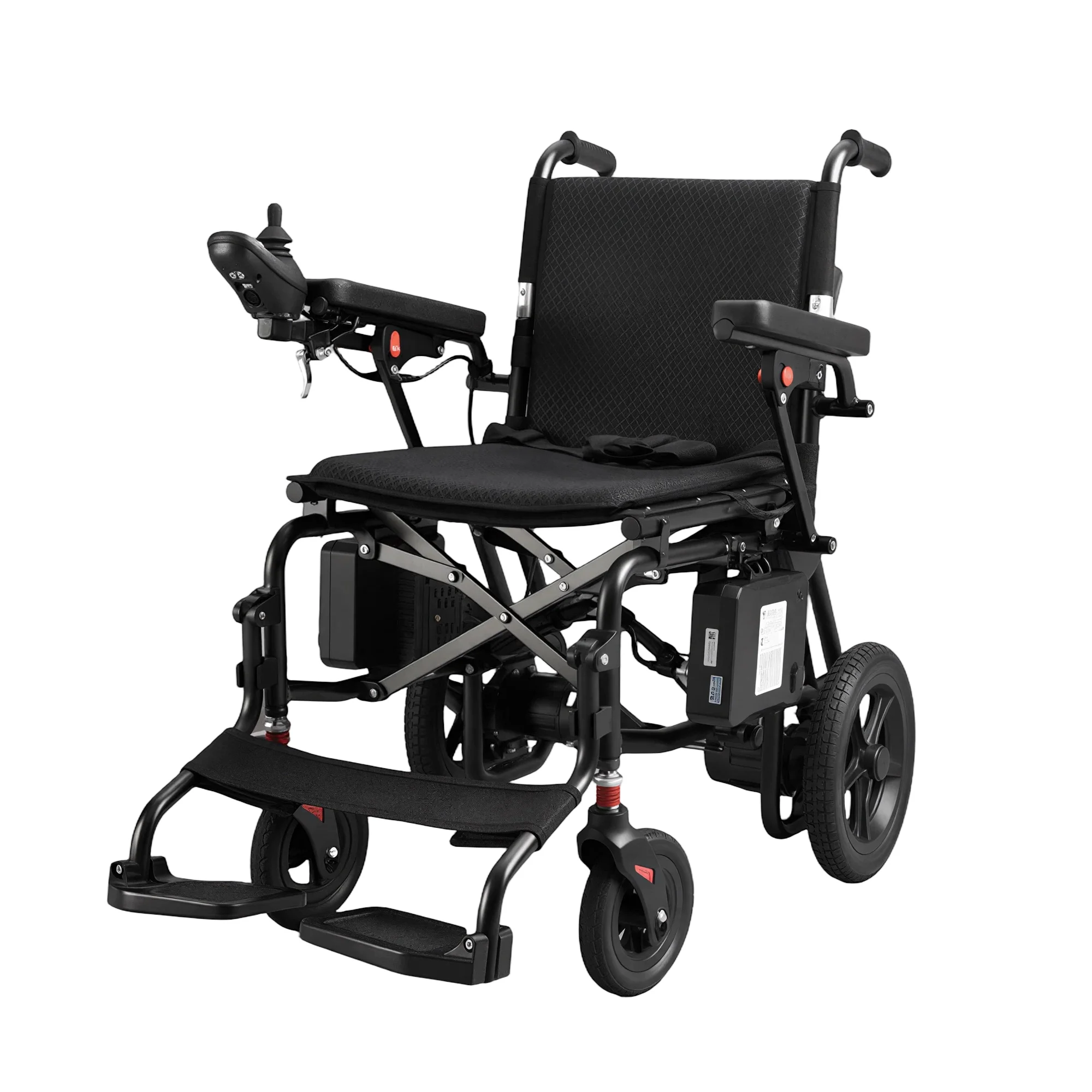
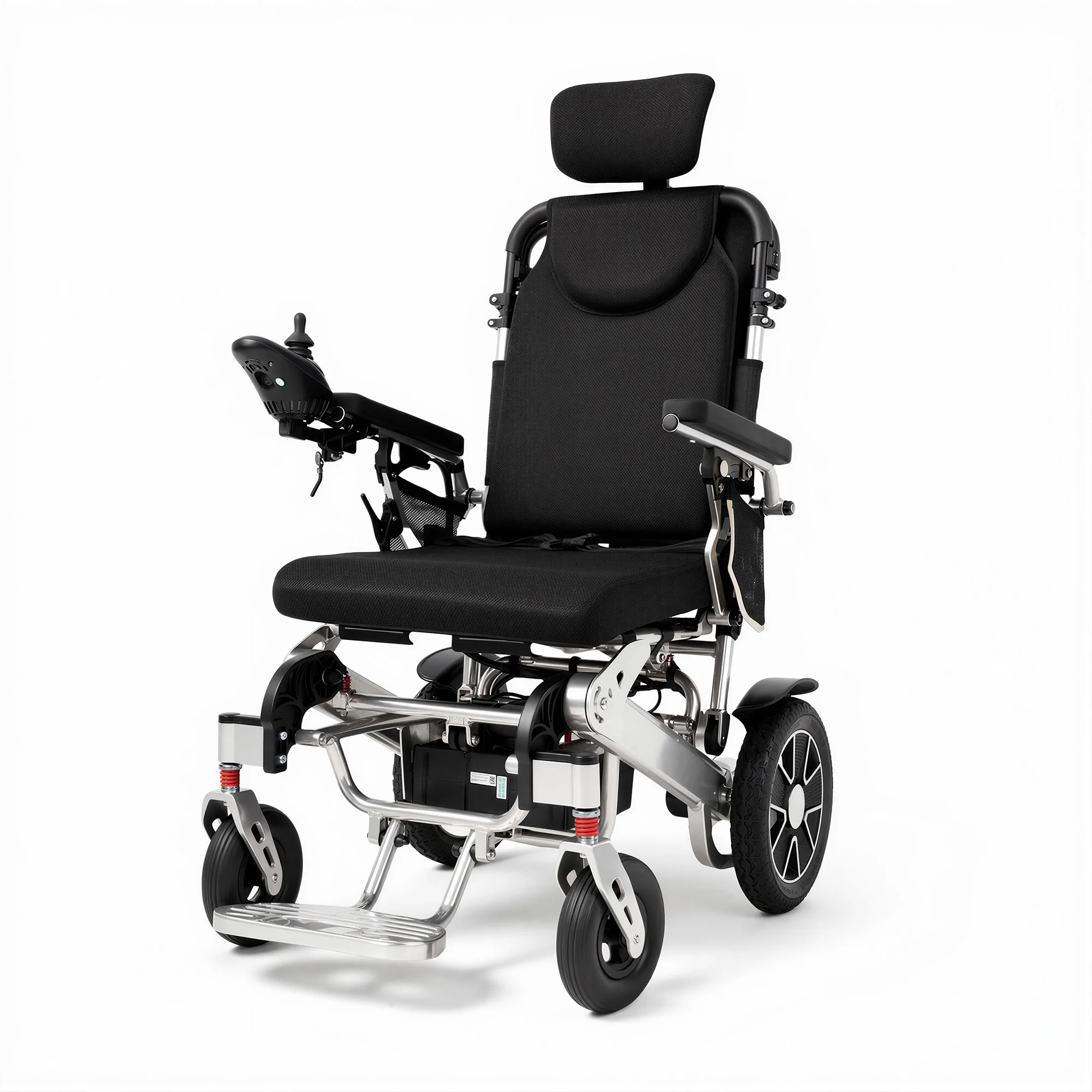
Pressure injury = intensity x time. A cushion lowers intensity; repositioning resets time. Clinical guidance converges on repositioning at least every 2 hours for at-risk users in chairs — and for power chair users, the most under-used tool is the tilt function: tilting 30 degrees posteriorly reduces ischial pressure by roughly 40-60%; tilting past 45 degrees shifts load to the back but compromises function, so the working range is 25-35 degrees held for 1-3 minutes, or longer for meals and rest.
A schedule that survives real life
- Every 30 minutes: a 30-second weight shift — tilt 30 degrees, or lean side to side, or push-up if upper body allows. Set a silent vibrating reminder; adherence is the whole game.
- Every 2 hours: a full reposition — tilt or recline held 2+ minutes, plus a visual skin check at the sacrum and heels if transfer is convenient.
- Daily: full skin inspection over bony prominences with good light — using a mirror or a caregiver for posterior surfaces. Catch a stage-1 redness (non-blanchable) and you have won: offload the area completely for 24-48 hours and it reverses.
- Weekly: cushion check — air cells inflated per gauge, foam recovering shape, cover intact and flat (wrinkles create localized high-pressure lines).
The moisture and nutrition multipliers
Moisture (sweat, incontinence) macerates skin and roughly halves its pressure tolerance; breathable covers and prompt changes matter as much as the cushion. And tissue repair is protein-hungry: undernourished users form stage-3 injuries from pressures that well-nourished users shrug off. Clinicians treat nutrition as part of the pressure protocol — so should families.
What to ask when buying
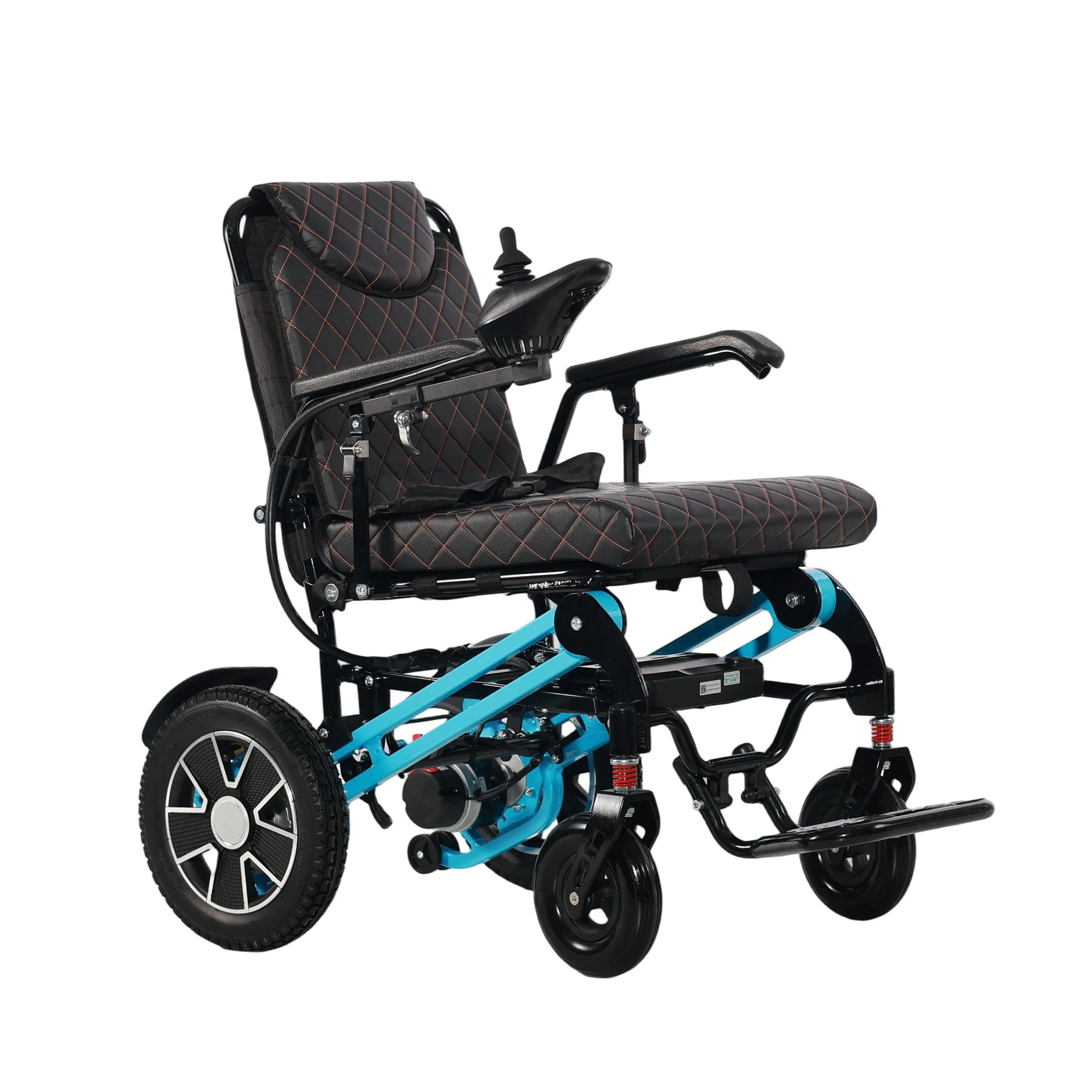
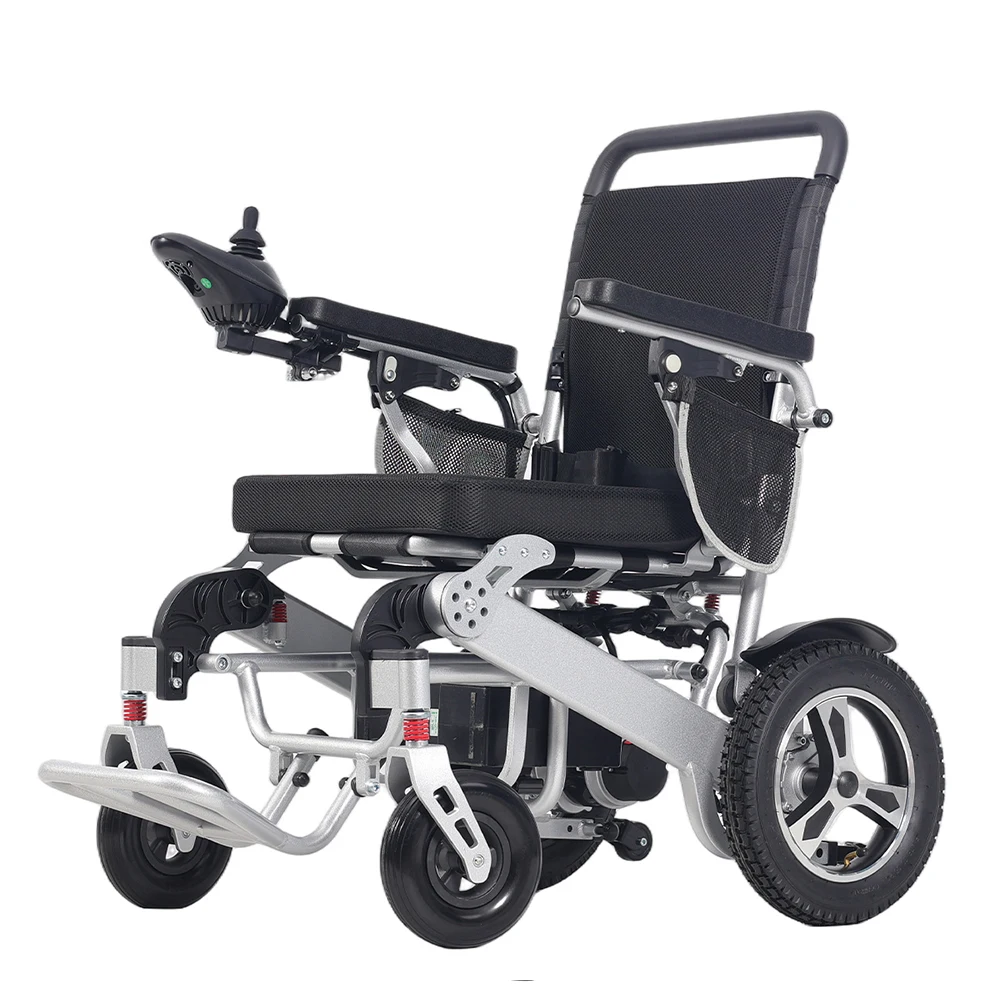
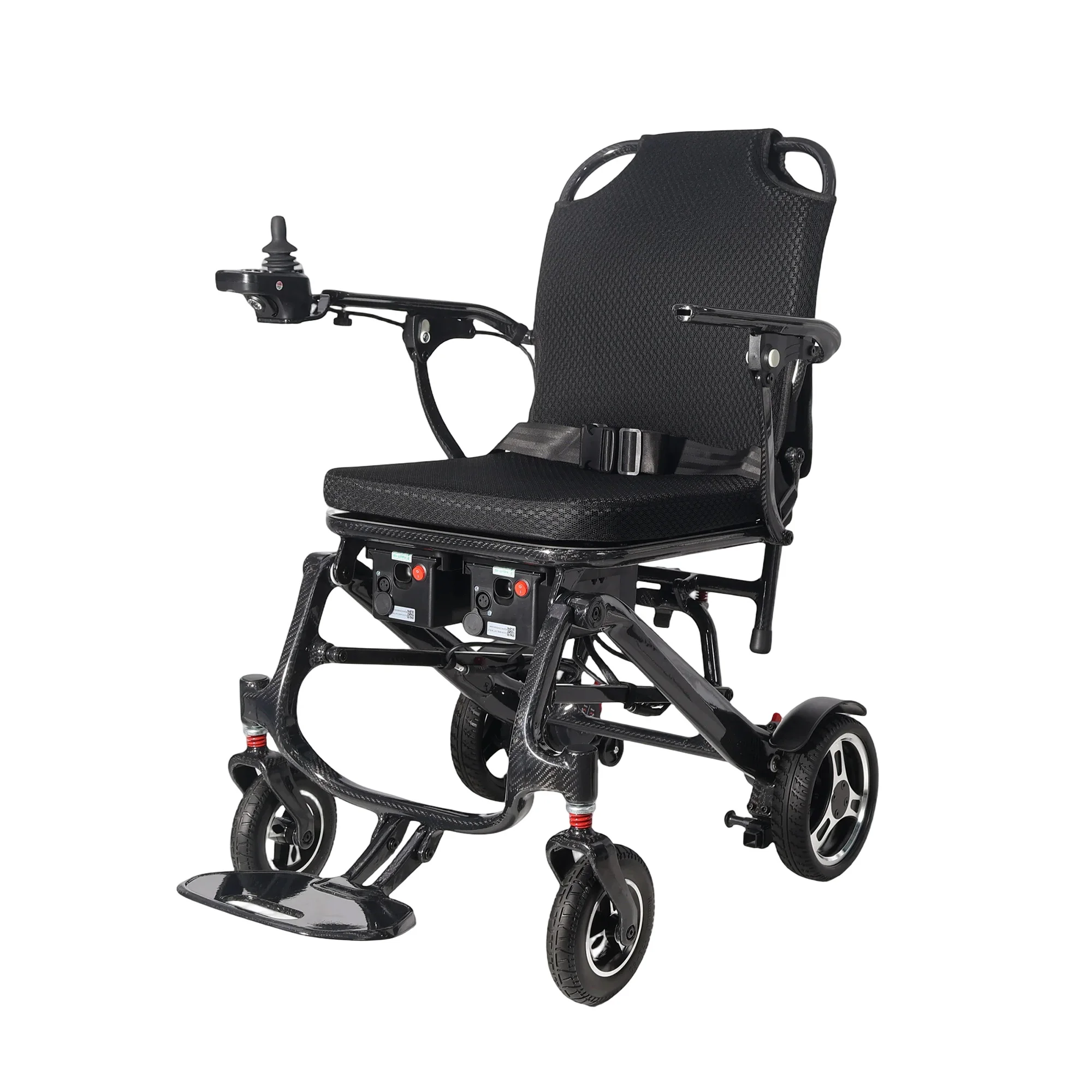
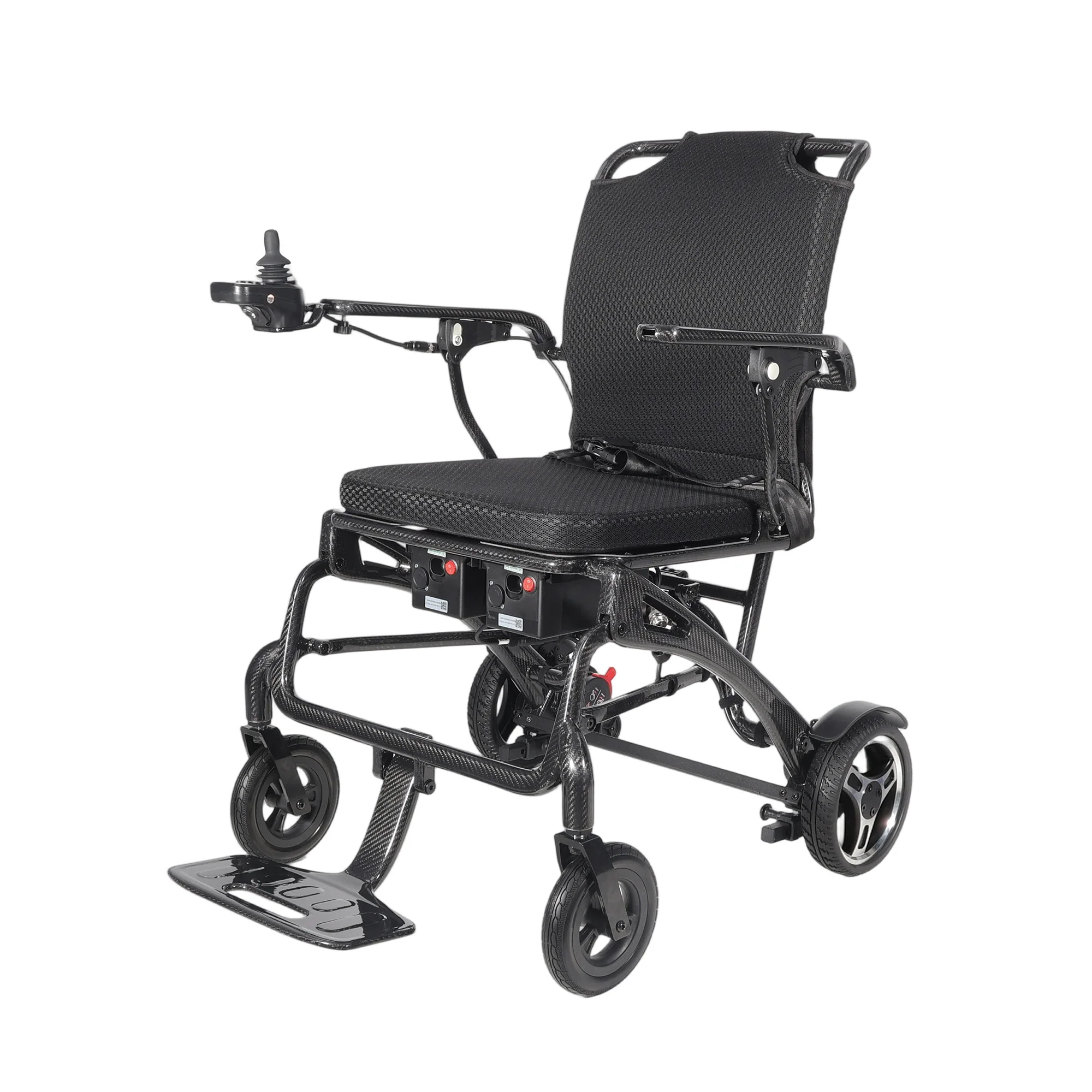
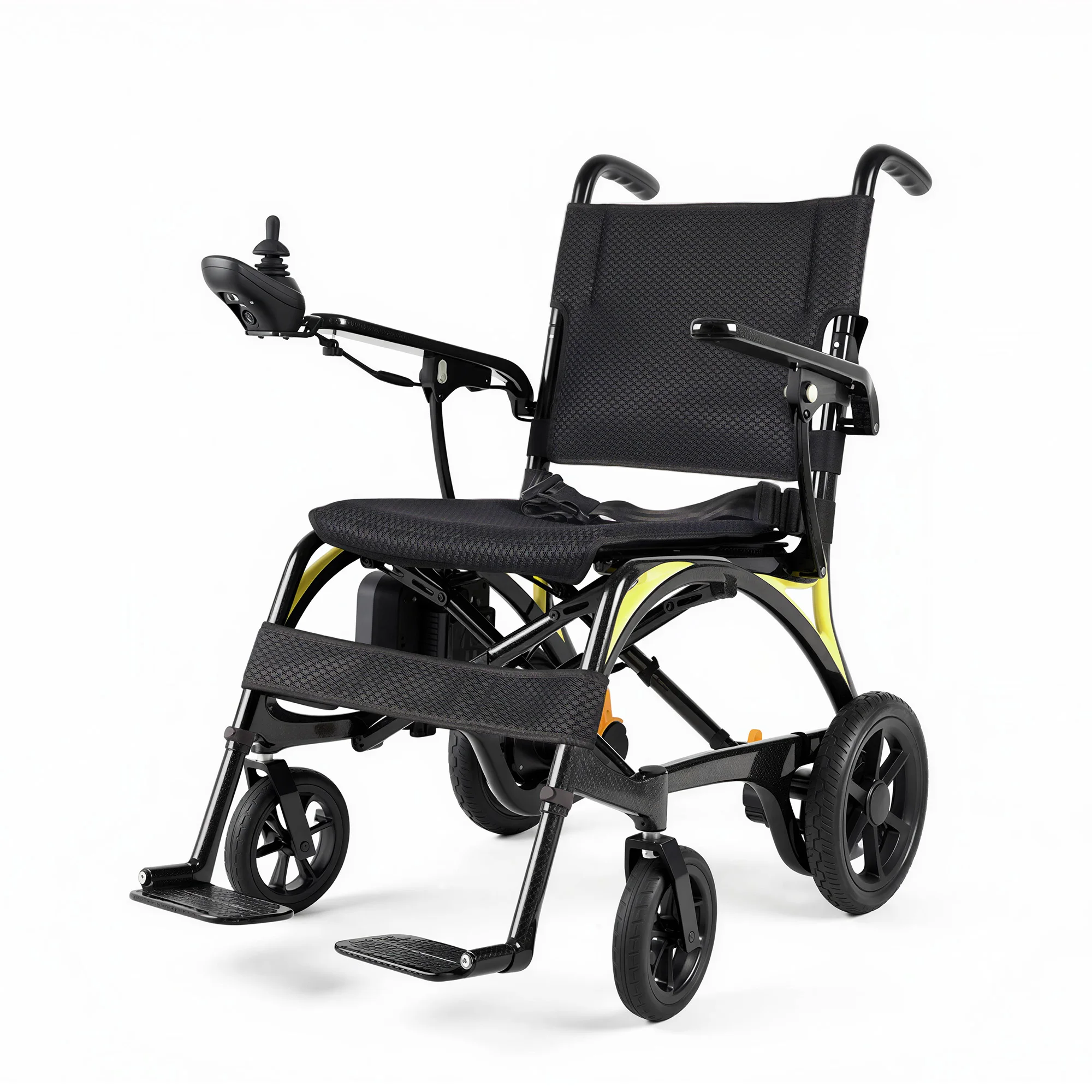
Ask for interface pressure mapping data on the exact cushion configuration shipped, and prefer suppliers who document cushion options by risk category (low/medium/high) rather than selling one cushion for everyone. Our cushion options are specified by user risk level on institutional quotations — because a pressure injury costs a facility more than every cushion upgrade we sell combined.