How to Choose the Right Battery for Your Electric Wheelchair

The battery of an electric wheelchair is the core power source for the entire device, and its performance and quality directly impact the wheelchair’s range, safety, and lifespan. So, how do you select the appropriate battery when purchasing an electric wheelchair?
In this guide:
- Choosing the Battery Type
- Choosing Battery Capacity
- Considerations for Battery Safety
- Brand and After-Sales Service
- Compatibility and Adaptability
- Summary
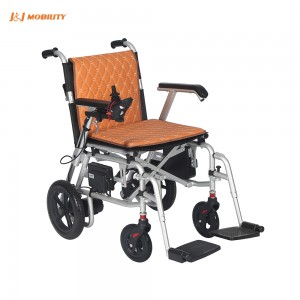
1. Choosing the Battery Type
Currently, the mainstream electric wheelchair batteries on the market include two main types:
Lithium Batteries
Advantages: Lightweight, strong endurance, fast charging speed, and a longer lifespan (typically over 500 charge cycles).
Disadvantages: Higher cost, requires careful charging management, and not suitable for long-term storage without use.
Ideal Users: Those who prioritize portability and long range, such as individuals who frequently go out.
Lead-Acid Batteries
Advantages: Lower cost, high stability, and less stringent charging/discharging management requirements.
Disadvantages: Heavier, shorter lifespan (generally 200-300 charge cycles), and longer charging time.
Ideal Users: Budget-conscious individuals or those who do not use the wheelchair frequently.
Recommendation: Lithium batteries better meet modern users’ needs for lightness and long range, but if budget constraints exist, lead-acid batteries provide an economical option.
2. Choosing Battery Capacity
Battery capacity determines the range of the electric wheelchair; the larger the capacity, the greater the endurance.
Common Capacities:
Lithium Batteries: 10Ah to 20Ah
Lead-Acid Batteries: 20Ah to 60Ah
Range Comparison: Generally, a 10Ah battery provides a range of about 10-15 kilometers, while a 20Ah battery can exceed 25 kilometers.
Recommendation: Choose battery capacity based on your travel needs. For short daily trips, consider a 10Ah to 15Ah battery; for longer outings, a 20Ah or higher battery is recommended.
3. Considerations for Battery Safety
Safety is one of the most important factors when selecting a battery.
Safety Certifications
Lithium Batteries: Should meet international safety standards like UN38.3, CE, and UL certifications.
Lead-Acid Batteries: Should comply with national battery safety standards.
Built-In Protection Mechanisms
Ensure the battery has a Battery Management System (BMS) to effectively prevent overcharging, deep discharging, overcurrent, and short-circuit issues.
Protection Level
Check if the battery is waterproof, shockproof, and fire resistant to handle various usage environments.
4. Brand and After-Sales Service
Choose Reputable Brands
With many battery brands on the market, quality can vary significantly. Opt for well-known battery brands.
Focus on After-Sales Service
Ensure the manufacturer provides a warranty for the battery (typically one year for lithium batteries and six months for lead-acid batteries) and offers support for battery replacement and repair services.
5. Compatibility and Adaptability
Confirm Voltage and Power
Different wheelchairs have varying voltage requirements (commonly 24V). When selecting a battery, ensure it matches the wheelchair’s motor and controller specifications.
Size and Connections
Check that the battery’s dimensions fit the wheelchair’s battery compartment and that the connections are compatible to avoid installation issues later.
Summary
Choosing the right battery for your electric wheelchair requires a comprehensive consideration of type, capacity, safety, and brand. Here are some simple purchasing suggestions:
For Short Daily Trips: Choose a lithium battery around 10Ah or a lead-acid battery of 20Ah.
For Long-Distance Travel: Opt for a lithium battery of 20Ah or higher.
Prioritize Safety and Convenience: Prefer lithium batteries with protective mechanisms and international certifications.
Selecting the right battery can enhance your electric wheelchair experience and ensure safe travel. Do thorough research before purchasing, and consult professionals if necessary to ensure you choose the most suitable product.
Explore further: browse the full electric wheelchair range, read our frequently asked questions, or contact the J&J Mobility team for expert advice.