The Future of Electric Wheelchairs: A 50-Year Outlook

Over the past few decades, technology has made significant strides, impacting various facets of our daily lives. One area that has particularly benefited is mobility assistance, which has greatly enhanced the independence of individuals with mobility challenges. Here’s a look at what electric wheelchairs might look like in the next 50 years.
1. Improved Mobility and Maneuverability
In the future, electric wheelchairs are expected to be more agile and adaptable than ever before. Innovations in motor technology, lightweight materials, and advanced control systems will likely enhance maneuverability, allowing users to navigate diverse terrains effortlessly. Incorporating cutting-edge sensors and artificial intelligence could enable these wheelchairs to adjust automatically to different environments for optimal performance.
2. Smart and Adaptive Features
The next generation of electric wheelchairs may come equipped with intelligent features aimed at maximizing user comfort and safety. Sensor technology could help detect obstacles, automatically modifying speed or direction to avoid collisions. Moreover, advancements in machine learning could allow these wheelchairs to learn user preferences and tailor their settings accordingly.
3. Lightweight and Portable Designs
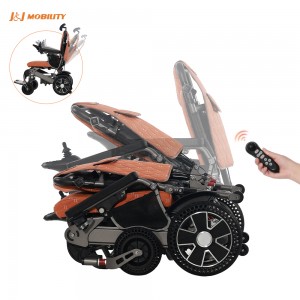
Traditional electric wheelchairs often pose challenges due to their weight and bulk. In the coming decades, we can expect a shift towards lighter and more portable designs. Utilizing advanced materials like carbon fiber composites could help reduce weight without sacrificing strength or durability. Innovations such as foldable or modular designs may also become common, making transportation and storage easier.
4. Energy Efficiency and Extended Battery Life
Future electric wheelchairs will likely prioritize energy efficiency and longer-lasting battery life. As battery technology evolves, we can anticipate the emergence of more powerful batteries that can hold a charge longer. Additionally, regenerative braking systems could capture energy during deceleration, further extending battery life.
5. Integration with Smart Technologies
As our world becomes more interconnected, electric wheelchairs are expected to incorporate smart technologies for a more seamless user experience. Features that allow users to control and monitor devices via smartphones or wearables could become standard. Integration with smart home systems might enable users to interact with their environments—adjusting lighting, temperature, and other functionalities through voice commands or gestures.
Conclusion
The electric wheelchairs of the future are poised to undergo transformative changes, focusing on enhanced mobility, smart features, lightweight designs, energy efficiency, and smart technology integration. These advancements have the potential to significantly improve the quality of life and independence for users, marking a new era in mobility assistance.
Explore further: browse the full electric wheelchair range, read our frequently asked questions, or contact the J&J Mobility team for expert advice.